
how to use a TSA lock correctly
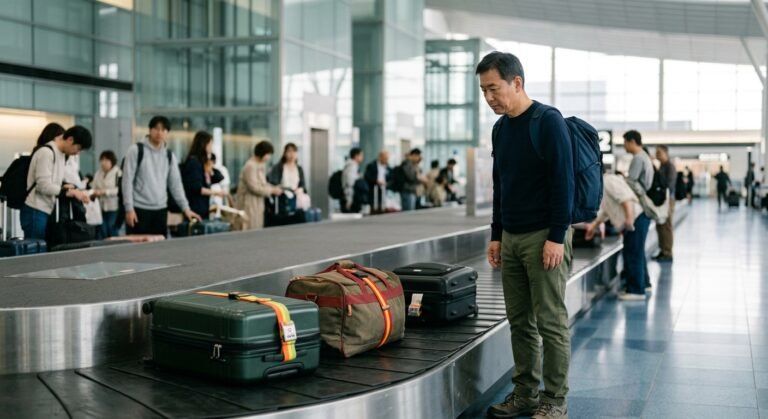
Knowing how to use a TSA lock correctly is essential for any traveler who wants to secure their luggage without risking damage or lock malfunctions during air travel. This guide provides clear, practical instructions to help you open, set, reset, and maintain your TSA-approved lock confidently. You will also learn about the key differences between common TSA lock types, how to avoid usual user errors, and what to do if you forget your combination. Proper use ensures your luggage stays secure while complying with travel security regulations.
What Is a TSA-Approved Lock and Why Use One?
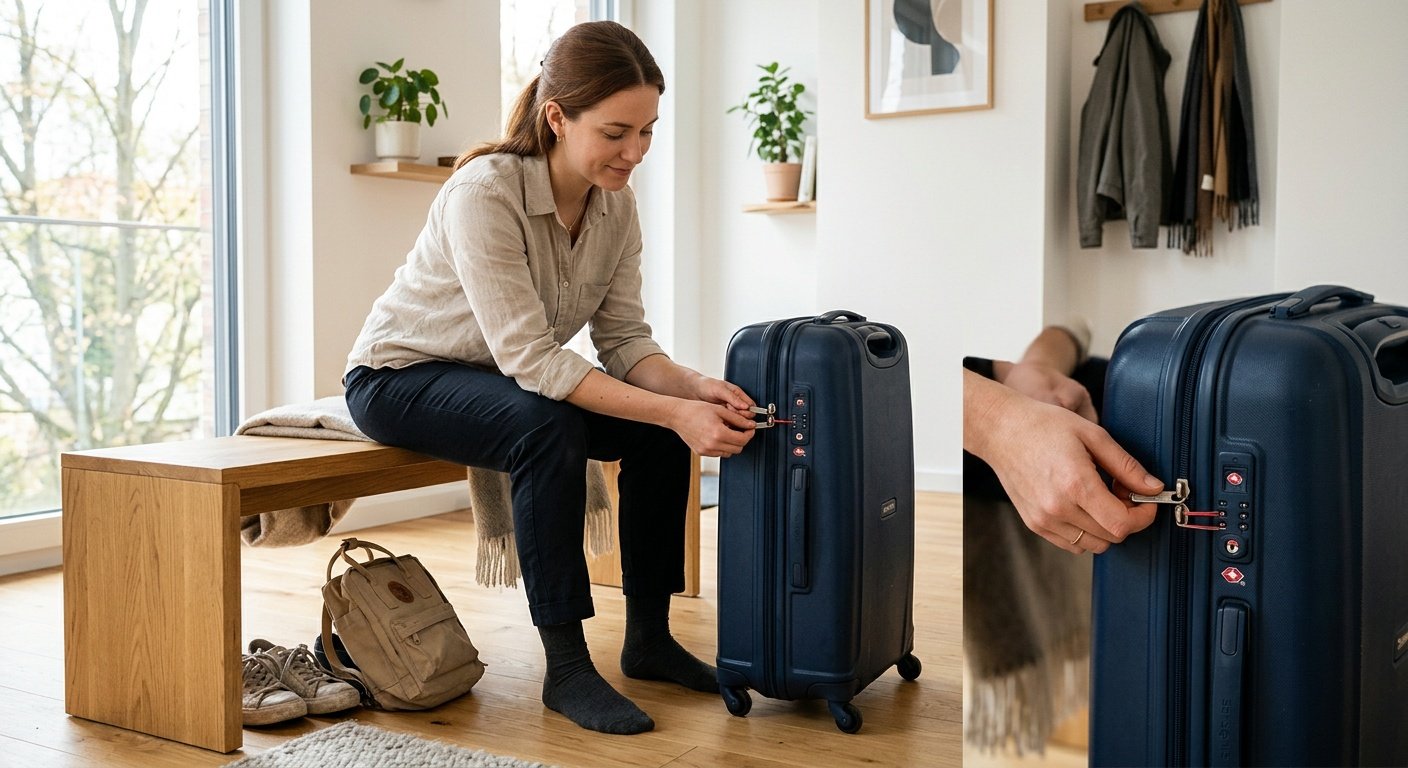
A TSA-approved lock is a special luggage lock designed to be recognized and opened by Transportation Security Administration (TSA) agents and other airport security personnel using special master keys. Unlike regular locks, TSA locks allow officials to unlock and inspect your luggage without breaking the lock or damaging your bag if an inspection is needed.
This feature offers two key advantages for travelers:
- Security and Convenience: You control the combination for your lock, keeping your belongings secure, while authorized officials can still open your luggage if necessary using TSA master keys (such as TSA007 or TSA002 keys).
- Regulatory Compliance: TSA-approved locks comply with airport security protocols worldwide, reducing the risk of your luggage being forcibly opened or damaged during inspections.
Understanding what makes TSA locks different helps you appreciate why correctly setting and using one is important. Using a TSA lock ensures you meet travel security standards while protecting your luggage from damage and unauthorized access.
For more information on essential travel security products, see our travel security gear guides.
Different Types of TSA Locks: TSA007 vs TSA002
You might notice that your TSA lock has a label such as TSA007 or TSA002. These indicate the type of master key used by TSA agents to open the lock during inspections. Understanding the difference affects how you correctly reset or set your lock combination.
| Feature | TSA007 | TSA002 |
|---|---|---|
| Reset Mechanism | Recessed reset button, often requiring a tool or pen to press | Small pinhole reset requiring a pen tip or thin tool |
| Keyhole Size | Larger, more accessible keyway | Smaller, less accessible keyhole |
| Lock Housing Design | Bulkier housing, often in combination locks and zipper locks | More compact, frequently found on cable and luggage locks |
| TSA Master Key Compatibility | Compatible with TSA007 master keys | Compatible with TSA002 master keys |
Both types allow TSA agents to open your lock without the personal combination, but the way you reset your combination is slightly different due to the location and type of reset mechanism.
Step-by-Step Instructions: How to Set or Reset Your TSA Lock Combination Correctly
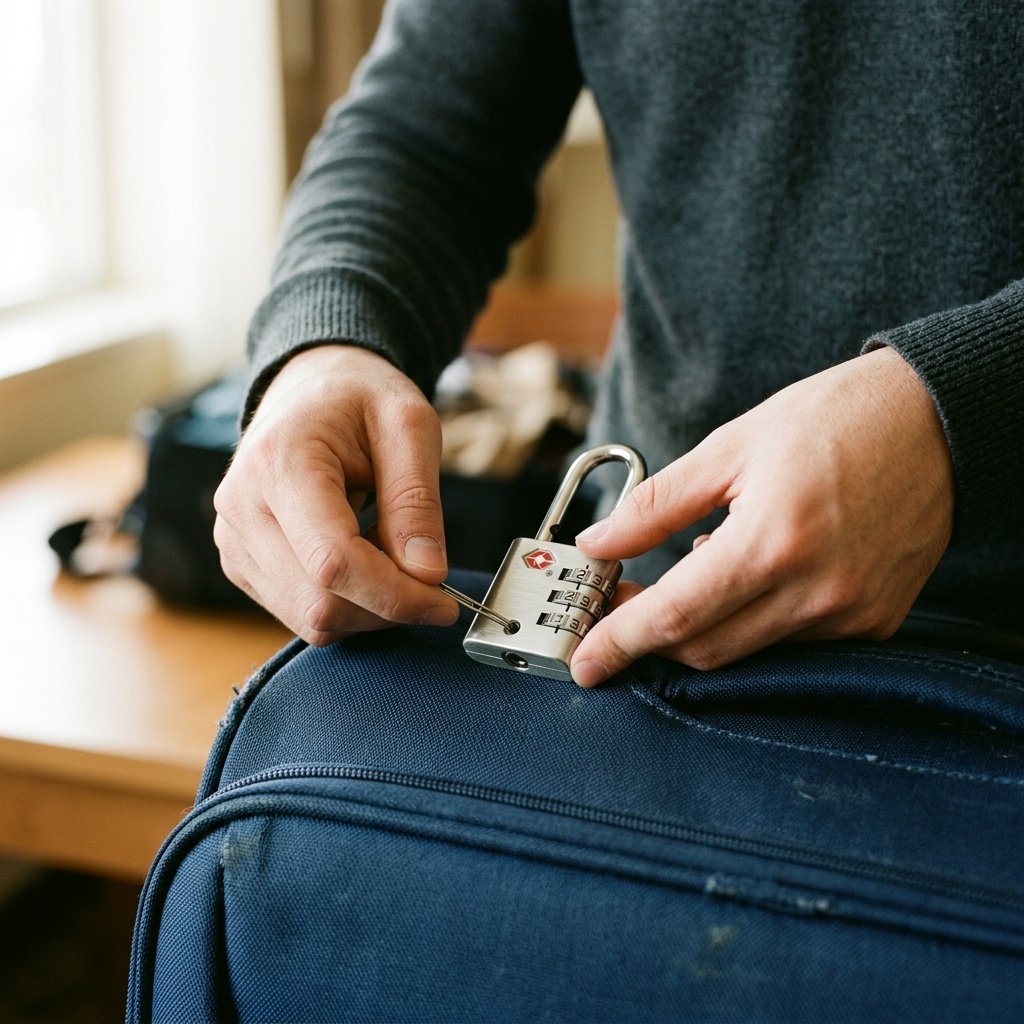
Setting or resetting a TSA-approved lock is straightforward when you follow the correct sequence. The key principle is that the lock must be open before you engage the reset mechanism. Each TSA lock model (TSA007, TSA002, or others) may have a slightly different reset mechanism, but the basic steps are similar.
- Open your lock with the current combination. Most TSA locks come preset to
0-0-0, so try this if you have not changed it. - Set the dials to the default code (if opening newly), typically
0-0-0. This aligns the mechanism for resetting. - Locate the reset mechanism:
- For TSA007 locks, it is usually a recessed button you press and hold with a pen or similarly thin tool.
- For TSA002 locks, find the small pinhole on the side or bottom of the lock housing; insert a pin or pen tip to press and hold.
- Some locks may have a sliding lever that you need to push or slide while the lock is open.
- While pressing or engaging the reset mechanism, turn the dials to your desired memorable three-digit combination.
- Release the reset button, pin, or lever to save your new combination. The lock will now lock with your selected code.
- Close your lock, then scramble the dials to avoid accidental unlocking.
- Test your new combination multiple times by opening and closing the lock to ensure the code works and the lock functions properly.
If your lock behaves differently, refer to manufacturer instructions for your specific model, as reset mechanisms can vary. Always keep the lock open when resetting; pressing the reset while locked can cause misalignment.
Following these steps carefully ensures a correctly set TSA lock, preventing lock failure or TSA inspection damage.
Tips to Avoid Common TSA Lock Mistakes and Problems
Many travelers face frustration with TSA locks due to avoidable errors. Keep these practical tips in mind to prevent common pitfalls:
- Never force the lock: If the lock resists opening, do not apply excessive pressure, as this can break the mechanism or damage your luggage.
- Avoid obvious combinations: Do not use simple sequences like
0-0-0,1-2-3, or birthdays that others can guess easily. Choose a memorable but unique code. - Test your combination thoroughly: After setting your code, open and lock the TSA lock multiple times to verify correct operation before travel.
- Be cautious with soft-sided luggage: Locks mounted on flexible or soft luggage can shift or misalign, causing lock failures. Consider locking mechanisms attached to rigid parts.
- Store your combination securely: Record your code safely, such as in a password manager, encrypted note, or a physical note kept separate from your luggage.
- Keep the lock open while resetting: Resetting with the lock closed is a common cause of malfunction or inability to open afterwards.
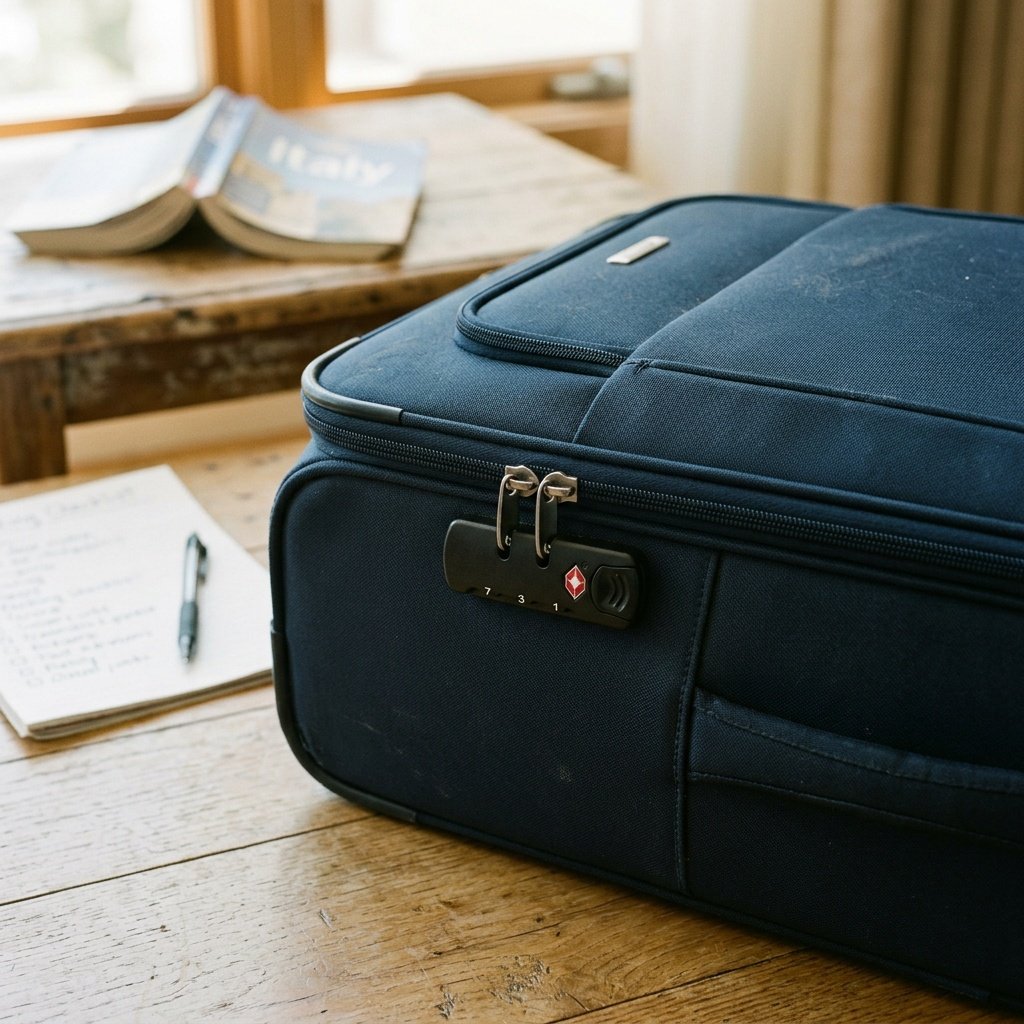
What to Do If You Forget Your TSA Lock Combination
Forgetting your TSA lock combination is frustrating, but there are practical steps you can try before seeking external help:
- Try the factory default: Most TSA locks default to
0-0-0. If you never changed it, this might still open your lock. - Use the trial method: Carefully rotate the dials from
000to999, gently pulling or testing the shackle as you go. This process can take time but may eventually unlock the lock if the combination is forgotten. - Consider professional assistance: If the trial method does not work, contact the lock manufacturer’s customer service or a professional locksmith familiar with TSA locks.
Important to note: TSA master keys that open the lock for airport security do not override or reset your personal combination. There is no universal override combination available for traveler use.
Testing and Maintaining Your TSA Lock for Travel Confidence
Once set, maintaining and testing your TSA lock ensures it keeps working reliably:
- Test locking and unlocking multiple times: Confirm the lock opens smoothly with the new combination before leaving home.
- Scramble the dials before closing luggage: This reduces accidental unlocking and maintains security.
- Check dial alignment regularly: Sometimes dials can slip or misalign, especially on soft luggage. Reset if you notice issues.
- Avoid physical damage: Don’t force the lock or expose it to excessive impact, which can harm internal mechanisms.
These maintenance steps promote travel confidence and reduce risk of access issues at the airport.
For more on preparing your luggage securely, see our related pre-travel packing tips and security guides.
Conclusion
Understanding how to use a TSA lock correctly empowers you to secure your luggage safely and hassle-free during air travel. The essential process is to open the lock first, engage the reset mechanism while open, select and set a strong, memorable combination, and then test your code multiple times to confirm proper function. Knowing the differences between TSA007 and TSA002 locks helps you identify and use the correct reset method.
By avoiding common mistakes like forcing the lock or setting obvious combinations, and securely storing your code, you reduce the risk of lock failure or lost combinations. If you do forget your combination, practical trial methods or professional help can assist, although there is no master override for personal use.
Regular testing and maintenance before travel builds confidence your TSA lock will work smoothly throughout your trip, protecting your belongings without inconvenience or damage.