
How to Keep Money Safe While Traveling
How to keep money safe while traveling involves using diversified and concealed methods for carrying and storing cash, cards, and digital funds, combined with smart usage practices and pre-travel preparation. Travelers face unique risks abroad, including theft, loss, and fraud, and must therefore adopt practical measures that protect their financial resources. This guide provides clear, actionable steps to securely carry multiple forms of money, avoid common scam pitfalls, and maintain control over financial transactions while on the road.
Key Takeaways
- Use a concealed money belt or neck pouch under clothing and split cash/cards across multiple locations to avoid losing everything at once.
- Prefer credit cards over debit for purchases, use ATMs in secure locations, shield PIN entry, and notify your banks of travel plans in advance.
- Protect digital access by avoiding public Wi-Fi for financial tasks, using RFID-blocking gear, and monitoring accounts regularly.
Why Keeping Money Safe Matters When Traveling
Travelers need to be especially cautious with money security abroad because unfamiliar environments increase risks. Pickpocketing, scams, and card skimming are common challenges in tourist areas, crowded streets, and public transport. Losing all funds at once—whether cash or cards—can leave you stranded without access to emergency money.
Digital fraud also poses a threat as hackers exploit unsecured networks and electronic data skimming to steal card information. Travel settings often lack the robust security travelers might expect in their home country, making vigilance essential.
Understanding these risks encourages travelers to prioritize travel money safety tips and cash security abroad through practical, layered protection rather than relying on a single method.
Best Physical Methods to Carry and Hide Money
One of the most effective ways to protect your money and cards is to carry them physically concealed and divided into multiple locations. Here are proven steps to do this effectively:
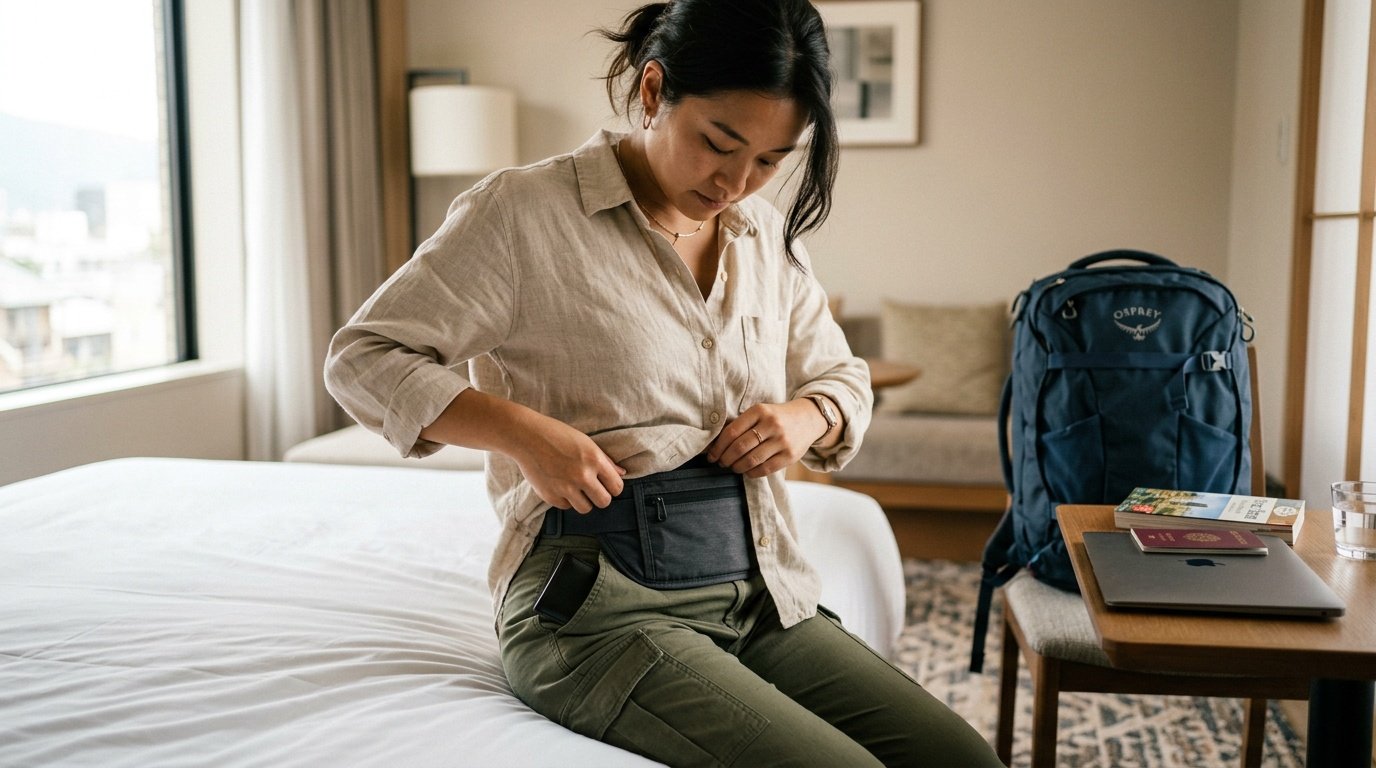
- Use a discreet money belt or neck pouch: Wear a zippered money belt or neck pouch underneath your clothing. This keeps your passport, primary cash, and cards close to your body and out of sight from pickpockets. It also reduces the risk of visible theft attempts.Travel security gear guides can help you select comfortable, secure money belts or RFID-blocking wallets.
- Avoid risky wallet placements: Never keep wallets in back pockets or loose bags without security features. Instead, keep wallets in front pockets or deliberately carry a dummy wallet with a small amount of old or low-value cash as a decoy.
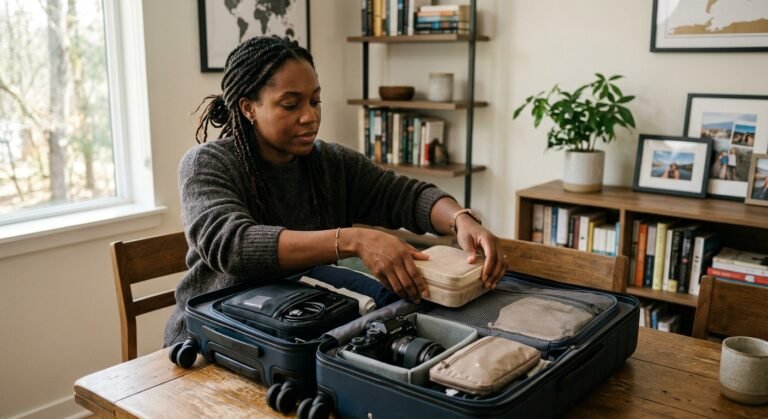
- Split cash and cards across multiple locations: Instead of putting all your cash and cards in one place, divide them strategically. Keep some in your money belt, a small amount in an accessible pocket for daily expenses, some tucked inside a ziplock bag in your bag or clothing, and others secured in your hotel safe or with a trusted travel companion. This split cash travel tactic ensures you don’t lose everything if one stash goes missing.
- Carry at least two credit or debit cards: Notify your banks of your travel plans ahead of time to avoid freezes and keep emergency contact numbers accessible. Having backup cards means you can continue spending even if one card is lost or blocked.
- Keep a small amount of local currency accessible: For everyday purchases like taxis, tips, or local markets, carry a manageable amount of local cash separate from your main stash to avoid flashing large sums.
Using ATMs and Cards Safely Abroad
Accessing cash and using cards securely abroad requires vigilance and smart practices:
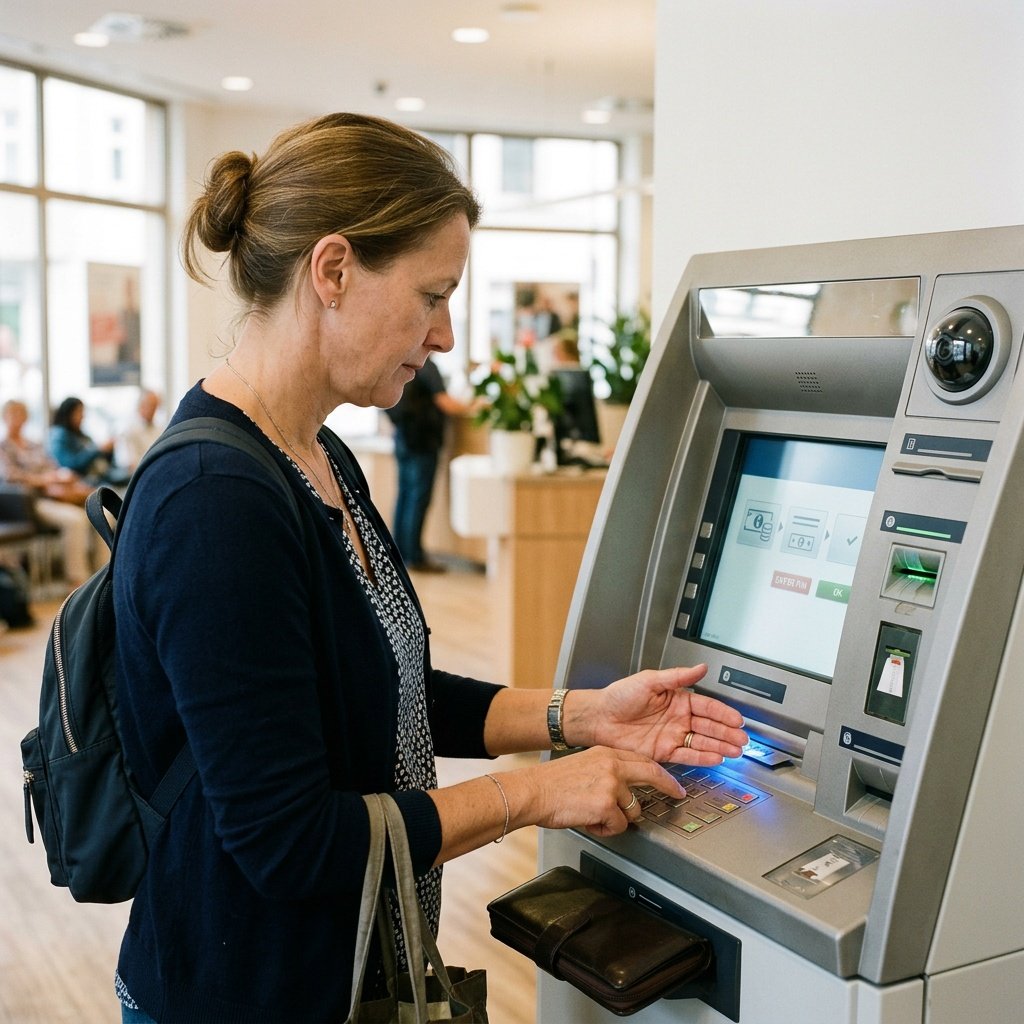
- Use ATMs in secure locations: Prefer machines inside bank branches, hotels, or busy shopping centers. These places have better surveillance and reduced chances of skimming devices.
- Inspect ATM machines before use: Look for unusual attachments on card slots or keypads that could indicate skimmers. If anything looks off or loose, do not use the machine.
- Shield your PIN entry: Use your hand or body to block shoulder surfers when entering your PIN. Thieves often watch for PIN codes to clone cards or withdraw funds later.
- Retrieve your card promptly: Stay attentive and remove your card immediately after the transaction. Some machines may capture cards if you hesitate.
- Favor credit cards over debit cards: Credit cards generally provide better fraud protection and avoid exposing your bank account directly. Many debit cards can lead to immediate withdrawal of funds if compromised.
- Notify your bank and card providers before travel: Inform them of your travel itinerary to avoid having your cards blocked due to suspicious activity alerts. Keep bank contact info readily available in case issues arise.
Protecting Digital Financial Information While Traveling
Besides physical protection, your financial information is vulnerable to digital theft and fraud. Follow these practical steps to keep your digital finances safe:
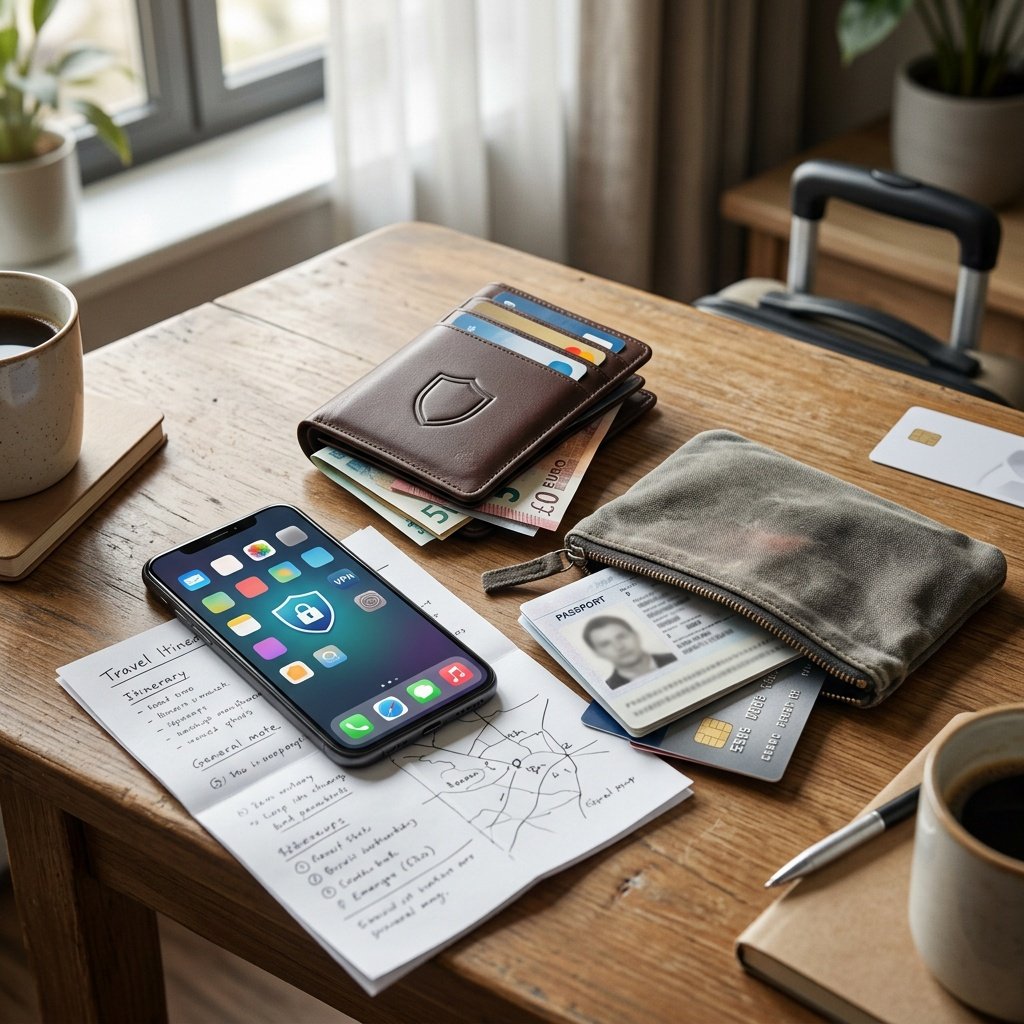
- Avoid using public Wi-Fi for financial activities: Public networks are often unsecured and can be exploited for data theft. If you must transact, use a trusted Virtual Private Network (VPN) that encrypts your connection.
- Use RFID-blocking wallets or pouches: These protect against electronic skimming attacks by blocking radio frequency scanners from accessing your contactless cards or passports.
- Monitor account balances and transactions: Use secure mobile banking apps and set alerts if possible. Early detection of unauthorized transactions allows quicker response.
- Keep device software updated: Ensure your smartphone and other devices have the latest security patches to reduce hacking risks.
Pre-Travel Preparation and Backup Planning for Money Safety
Preparation before your trip can prevent many money-related problems and ease recovery if issues occur:
- Notify banks and credit card companies of travel plans: This helps avoid account freezes triggered by foreign transactions and speeds up fraud alerts.
- Make physical and digital copies of important financial documents: Store copies of your passport, credit and debit cards, and IDs separately from the originals. Using secure cloud storage or encrypted apps is recommended.
- Store emergency cash and backup cards separately: Keep a backup set of cards and reserve cash hidden in different luggage or with travel companions. This provides financial access if main funds are lost or stolen.
- Use secure storage options at accommodations: Some hotels provide safes you can lock yourself or recommend portable travel safes for extra protection of valuables when you are out.
These steps provide layers of security that reduce disruptions and enhance confidence while traveling.
Common Mistakes to Avoid
- Carrying all money and cards in one place: This makes you vulnerable to total loss if pickpocketed or stolen. Split your cash and cards.
- Using unsecured ATMs: Machines in isolated or poorly lit areas increase the risk of card skimming or theft. Choose reputable ATM locations.
- Not notifying banks of travel plans: Can lead to declined transactions and frozen accounts at critical times abroad.
- Writing PINs on cards or keeping PINs with cards: This exposes you to easy theft or fraud in case of loss.
- Using public Wi-Fi networks for banking or payments: Leads to higher risk of your credentials being intercepted.
Checklist for Keeping Money Safe While Traveling
- Carry a discreet money belt or neck pouch under clothing.
- Split cash and cards among several secure spots (money belt, hotel safe, bags, travel companion).
- Bring at least two cards and notify banks of travel plans.
- Use ATMs inside banks or well-lit, monitored areas only; check for skimmers.
- Shield PIN entry and retrieve cards promptly.
- Prefer credit cards over debit for purchases.
- Use RFID-blocking wallets and avoid public Wi-Fi for financial access.
- Keep copies of important documents separate from originals.
- Store emergency cash and backup cards securely but separately.
- Monitor bank accounts and transaction alerts regularly.
Conclusion
Knowing how to keep money safe while traveling requires a combination of physical security, smart card and cash management, digital protection, and advance preparation. Using a concealed money belt or neck pouch, splitting your cash and cards across multiple secure locations, and favoring credit cards with travel protections will greatly reduce the risk of losing all funds at once. Safe ATM usage, including selecting secure machines and shielding PIN entries, helps prevent fraud and theft.
Protecting your digital financial information by avoiding unsecured networks and using RFID-blocking accessories adds another vital layer. Prior notification to your banks before traveling, as well as keeping copies and backups of your cards and emergency cash, provides contingency should problems occur. Following these practical, proven steps enables you to enjoy travel with confidence in your money’s safety.
For more practical tips on securing your travel gear, visit our travel security gear guides and for reviews of recommended products see our travel security product reviews.