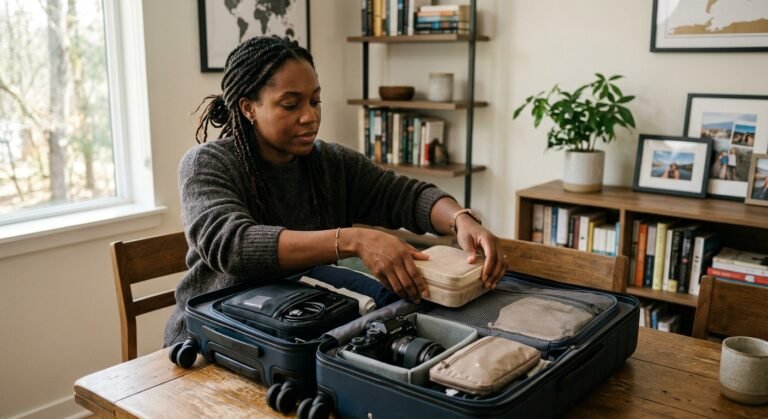

ways to prevent luggage theft at airports
Ways to prevent luggage theft at airports revolve around understanding the primary risks, using effective security tools, staying vigilant during every step of your journey, and promptly recognizing any tampering. Airports present unique challenges where bags are handled by multiple parties and often left unattended, creating opportunities for theft. This guide will equip you with clear, actionable tactics to protect your checked and carry-on bags from theft or tampering—from preparation before your flight to behavior at the baggage claim.
Key Takeaways
- Use TSA-approved locks combined with secondary locking methods and tracking devices to secure your luggage before travel.
- Never leave bags unattended at any point in the airport and promptly retrieve checked bags to reduce theft risk.
- Know how to spot luggage tampering signs such as re-threaded zippers (pen hack) and report any suspicious damage immediately.
Why Luggage Theft Happens at Airports and Common Tactics to Know
Airports are complex environments with thousands of bags moving through multiple handling points, making them vulnerable to theft and tampering. The primary risks stem from bags being left unattended or handled by multiple people during check-in, transit, and baggage claim. Opportunistic thieves exploit these moments when travelers are distracted or bags remain out of direct sight.
One of the most well-known tactics is the “pen hack,” where thieves use a pen or similar tool to carefully unzip and re-thread zipper teeth. This method allows them to stealthily access contents without visibly breaking the zipper or locks. Another sign of tampering is broken or forced locks and changes in zipper pulls. These subtle methods enable theft or insertion of unwanted items without immediate detection.
Flashy, designer luggage often attracts thieves looking for valuable contents because it signals wealth or high-value items inside. Similarly, displaying a personal home address on luggage tags can make you a target, both for luggage theft and potential identity risks.
Understanding these tactics helps travelers appreciate why vigilance and security measures are essential to protect their belongings while navigating airport baggage systems.
Practical Steps to Secure Checked Luggage Before the Airport
Securing your checked luggage effectively begins well before you arrive at the airport. Taking these preparation steps reduces the risk of theft and enables better control over your bags throughout your journey.
- Use TSA-approved locks: These locks comply with security regulations and allow officials to inspect luggage without cutting the lock. Choose high-quality TSA locks with sturdy mechanisms to deter casual thieves. Many travelers also add secondary cable or combination locks to zipper pulls for extra protection and to secure multiple compartments.
- Avoid flashy luggage: Resist the temptation to travel with designer or brightly branded bags, which attract unwanted attention in busy terminals.
- Label luggage smartly: Instead of listing your home address on tags, use a phone number or email address. This protects your privacy and reduces the risk of thieves connecting you to your property.
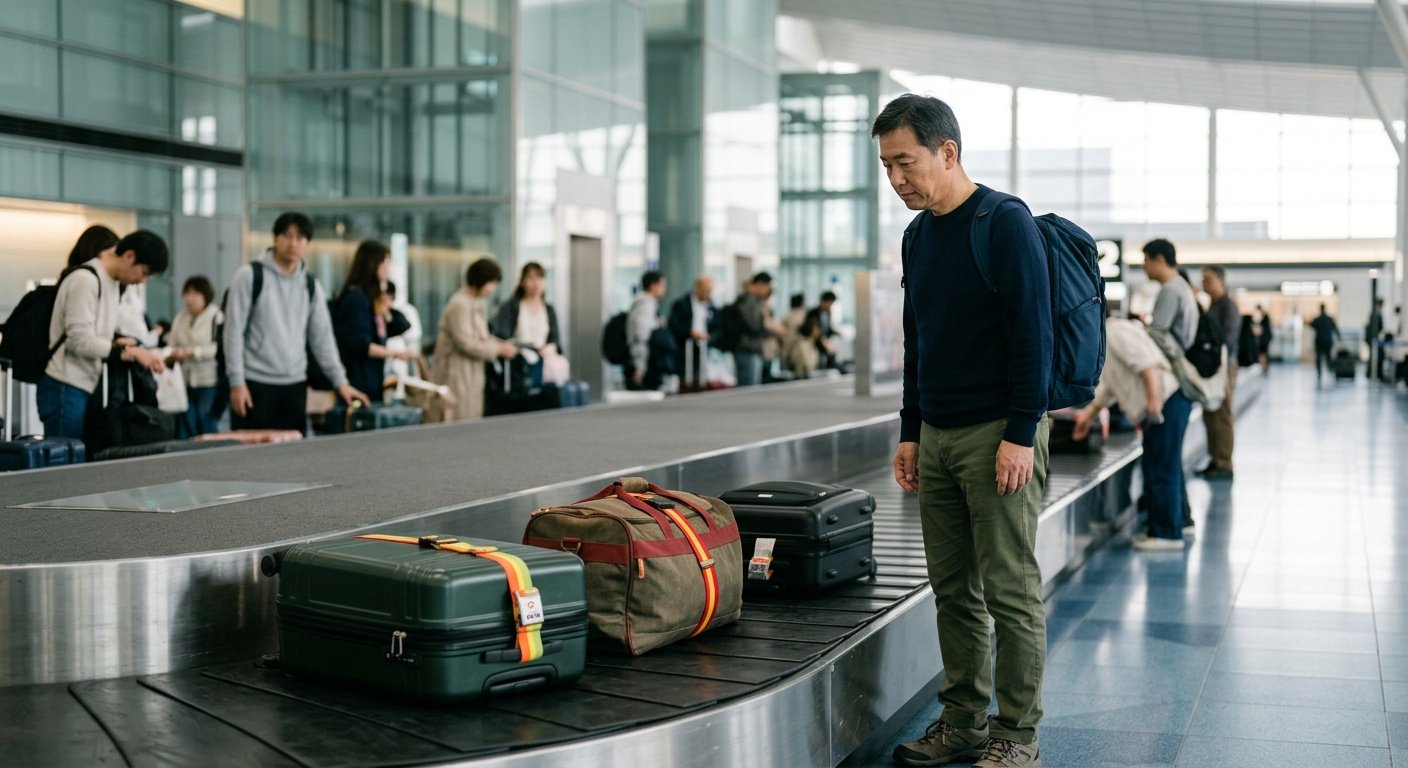
- Make your luggage distinctive: Use bright straps, stickers, or luggage covers to easily spot your bag and discourage theft attempts that target generic suitcases.
- Insert GPS or tracking devices: Small trackers like Apple AirTags or Tile can be placed inside your checked luggage to allow you to monitor the bag’s location remotely during transit. This won’t prevent theft but can improve your chances of recovering a lost or stolen bag.
Implementing this gear-based security does not guarantee total protection but significantly raises the difficulty for thieves and provides additional tools in the event of loss.
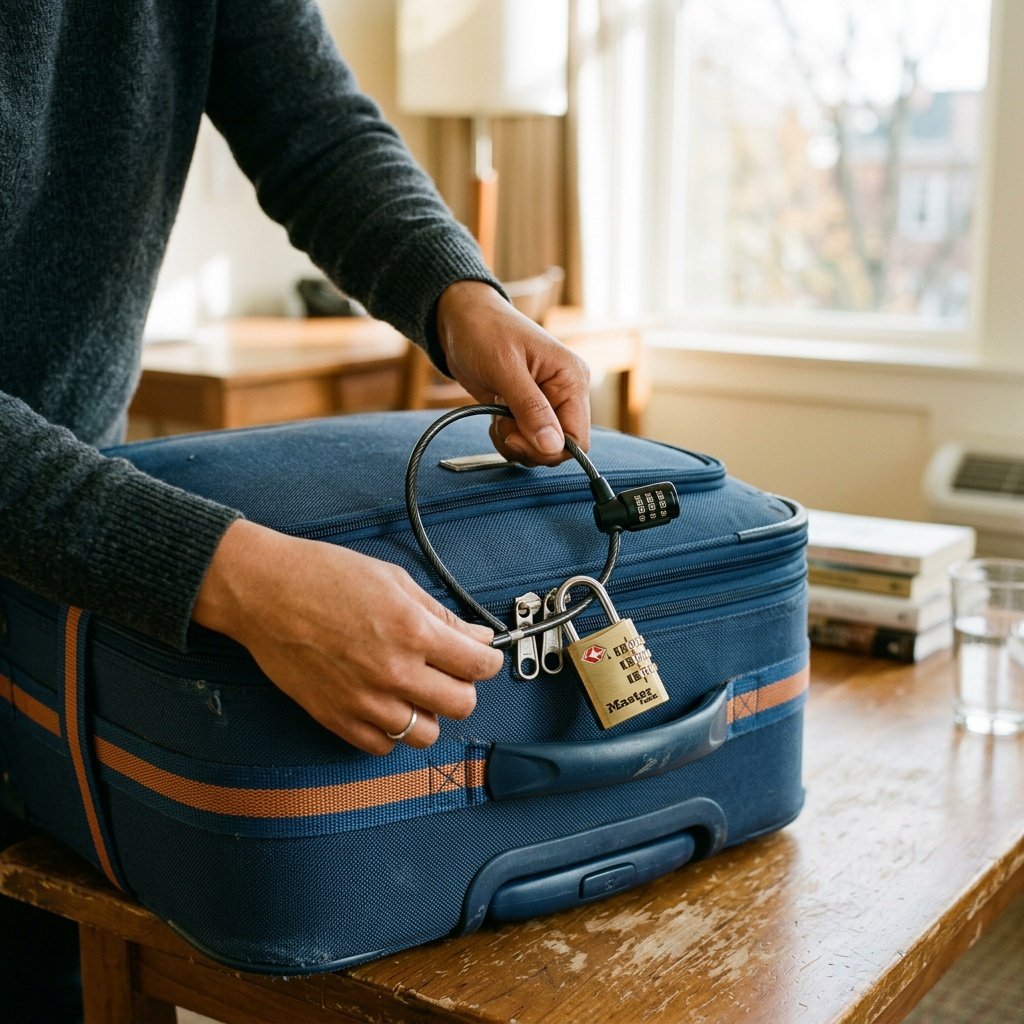
For detailed recommendations and reviews of TSA-approved locks and luggage tracking devices that travelers find reliable, consider visiting our comprehensive travel security gear guides.
Airport Arrival and Baggage Handling: What You Should Do
When you arrive at the airport and throughout the baggage handling process, your behavior plays a critical role in preventing luggage theft.
- Arrive early: Giving yourself ample time reduces the pressure and distraction common when rushing, which thieves exploit. Moving calmly through check-in and baggage drop leaves less opportunity for unattended bags or mistakes.
- Never leave bags unattended: Whether at the check-in counter, security checkpoint, or baggage claim carousel, keep your bags within direct sight or physically held. Even a momentary lapse can allow opportunists to strike.
- Stay alert around baggage claim: Be vigilant for suspicious individuals near carousels, and promptly retrieve your checked bags as soon as they appear.
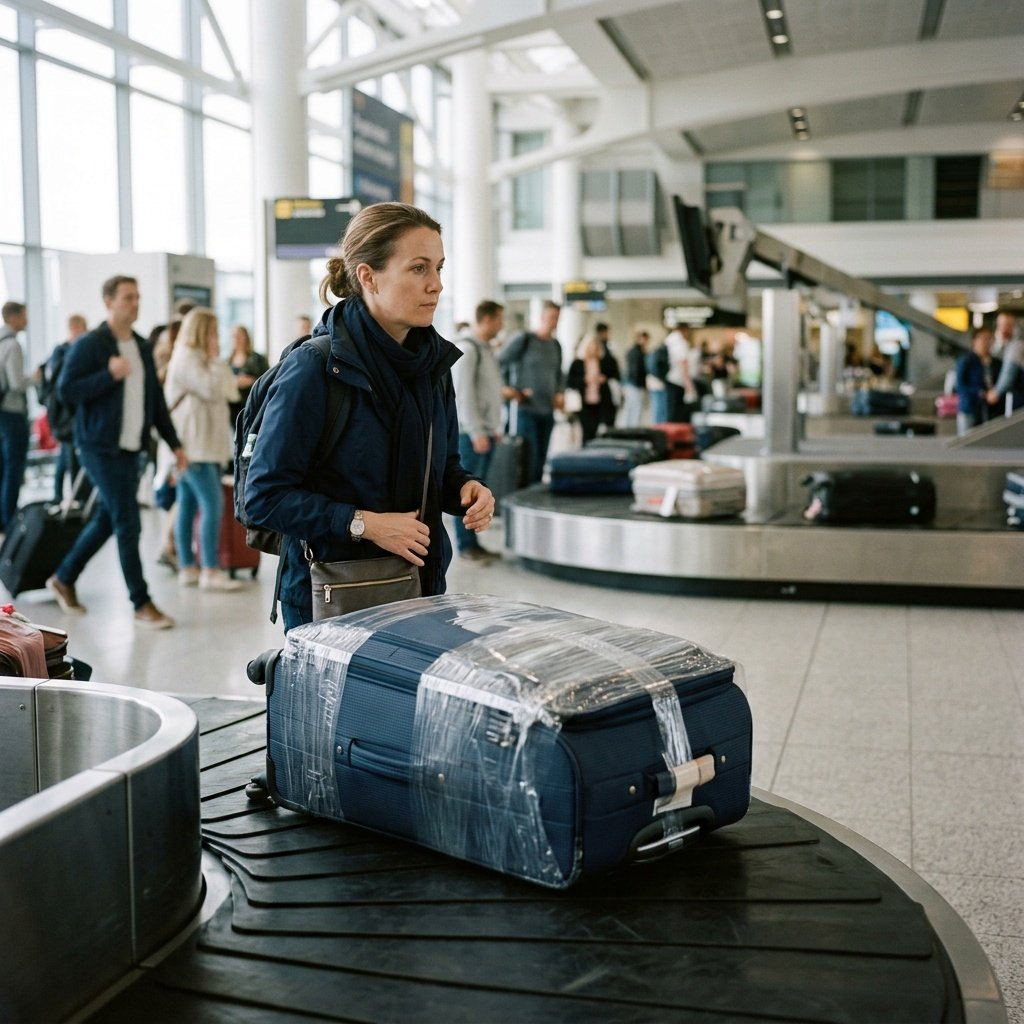
- Use luggage-wrapping services where available: Many airports offer plastic wrap services that envelop your bag in a tight film, serving as a tamper-evident seal. While availability varies, this extra layer can discourage thieves and alert you immediately if your bag has been interfered with.
These active steps help mitigate the vulnerabilities posed by crowded and hectic airport environments where many thefts occur.
How to Recognize and Respond to Luggage Tampering or Theft
Even with precautions, it is essential to know how to detect if your luggage has been tampered with and what to do if you suspect theft.
- Look for common signs of tampering: Check if locks appear forced or broken, zippers seem re-threaded (a subtle manipulation resembling the pen hack), or if new damage, missing tags, or altered seals are evident. Sometimes zipper pulls are replaced or moved to access the bag undetected.
- Inspect your bags immediately upon claim: Do not delay checking your luggage thoroughly. Confirmation of contents and condition at the earliest moment is crucial for reporting any issues.
- Report suspicious damage or theft: Contact airline baggage service or airport security staff immediately. Providing timely reports can aid investigations and start compensation or insurance claims. Procedures vary by airline and airport, so follow their specific instructions carefully.
Recognizing tampering signs early reduces the chance of loss escalating and improves the resolution speed. For guidance on making claims after theft or damage, see our detailed how to report lost or stolen luggage resource.
Best Practices for Carry-On Luggage Security
Keeping valuables in your carry-on bag is one of the best ways to avoid luggage theft during air travel. Checked luggage security cannot guarantee protection for important items.
- Carry valuables and essentials on board: Items such as electronics, medications, passports, and cash should remain with you. Avoid placing these in checked luggage as it is more vulnerable to theft and delayed recovery.
- Keep your carry-on close during the flight: Store your carry-on bag under the seat in front of you rather than in the overhead bin, when possible. This allows you to maintain sight of your belongings and reduces the risk of tampering by other passengers.
- Use anti-theft carry-ons or locks: Consider carry-on bags with lockable zippers or anti-theft designs that incorporate slash-resistant materials and zipper guards. Additional small locks or cable clips can secure compartments effectively.
Maintaining control over your carry-on belongings complements checked luggage security measures, greatly reducing the overall risk of suitcase theft during air travel. For detailed evaluations of secure carry-on bags and accessories, visit our travel security gear guides.
Checklist: Ways to Prevent Luggage Theft at Airports
- Use TSA-approved lock and additional secondary locks on checked luggage.
- Label luggage with phone number or email, not home address.
- Make luggage distinctive with colorful straps or stickers.
- Place a GPS tracker device inside luggage for location monitoring.
- Arrive early and avoid rushing through the airport.
- Never leave luggage unattended—always keep bags within sight.
- Use airport luggage wrapping services if available.
- Inspect bag condition upon retrieval for signs of tampering.
- Report damage or theft immediately to airline and airport officials.
- Keep valuables and essential items in carry-on baggage, close at hand.
- Store carry-on bags under the seat during flight to maintain control.
Common Mistakes to Avoid
- Leaving bags unattended even briefly: This is the most frequent error that leads to theft. Always keep your luggage in sight or physically held.
- Using non-TSA-approved or low-quality locks: These can be easily broken or cut, and may cause damage if forced open by security.
- Displaying personal home addresses on luggage tags: This risks privacy and may attract targeted theft or burglary attempts at your residence.
- Delaying baggage claim retrieval: The longer your checked luggage remains on the carousel, the greater the risk of theft or tampering.
Conclusion: Protect Your Bags with Proven Ways to Prevent Luggage Theft at Airports
Protecting your luggage from theft at airports requires a combination of preparation, vigilance, and smart use of available security tools. Start by securing your checked bags with TSA-approved and secondary locks, smart labeling, and GPS tracking devices. Arrive early and stay attentive throughout the process—never leave bags unattended and retrieve them promptly at baggage claim. Consider wrapping services where offered as an additional deterrent.
Learning to recognize theft tactics such as the pen hack zipper re-threading allows you to spot tampering early and respond by reporting to appropriate authorities. Finally, keep all valuables and essentials in your carry-on bag close to you during flights to further reduce risks.
By applying these practical, expert-backed strategies, travelers can confidently reduce their luggage theft risk and enjoy greater peace of mind throughout their journeys.