
How to Pack Valuables for Air Travel
how to pack valuables for air travel is a question many travelers ask to ensure their jewelry, electronics, camera gear, and other expensive or fragile items remain safe, intact, and with them throughout their journey. Losing or damaging valuables at the airport or on the plane can cause significant stress and financial loss. This guide explains how to pack and protect your valuables effectively during air travel, including practical organization techniques, compliance with battery regulations, theft prevention strategies, and handling habits that minimize risks.
Key Takeaways
- Always pack valuables, including jewelry and electronics, in your carry-on to keep them close and secure during your trip.
- Use specialized travel cases, organizers, and protective covers to prevent damage and tangling, particularly for jewelry and camera gear.
- Follow official FAA and TSA guidelines for lithium-ion batteries to avoid compliance issues and ensure safety during transport.
Quick Overview — Can You Pack Valuables in Checked vs. Carry-On Luggage?
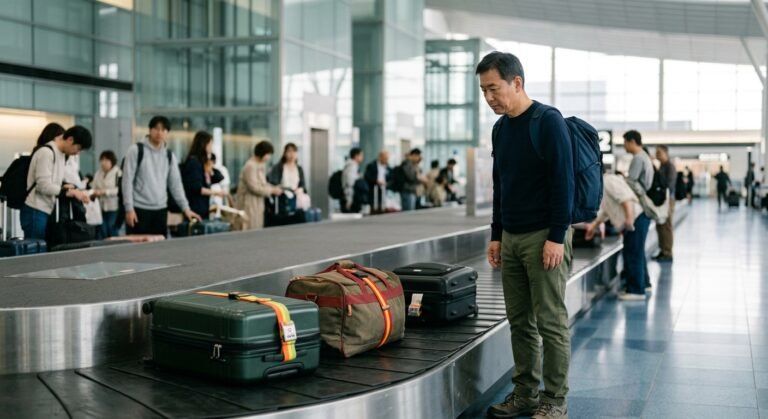
The simplest and most important advice about how to pack valuables for air travel is to always carry them in your carry-on luggage. Checked baggage exposes valuables to higher risks because you do not maintain control or constant oversight.
The key reasons for favoring carry-on include:
- Theft risk: Checked bags pass through multiple handling points and can sometimes be accessed by unauthorized individuals. Theft from checked luggage is a well-documented issue.
- Loss or misplacement: Checked luggage can get lost or delayed, risking the loss of precious items if packed inside.
- Damage: Checked bags are often handled roughly, and delicate valuables, especially fragile or high-value items, may get damaged.
- Security screening: Carry-ons stay with you during security; valuables packed here are less likely to be forgotten or exposed ambiguously.
While carry-on bags come with size and weight restrictions, here are some practical considerations:
- Choose a sturdy carry-on bag that offers sufficient protective compartments for organizing valuables.
- Distribute valuables to avoid overloading or making your bag too bulky or heavy, which can attract unwanted attention or lead to drops.
- Remember some airlines have strict carry-on size limits; verify before packing to avoid gate-checking your bag unexpectedly.
By focusing on carry-on luggage for valuables, you ensure continuous oversight, reduce chances of loss or theft, and protect sensitive items from damage. For detailed tips on packing efficiently, check our travel gear guides for carry-on essentials.
Packing Jewelry for Air Travel — Practical Methods and Tips
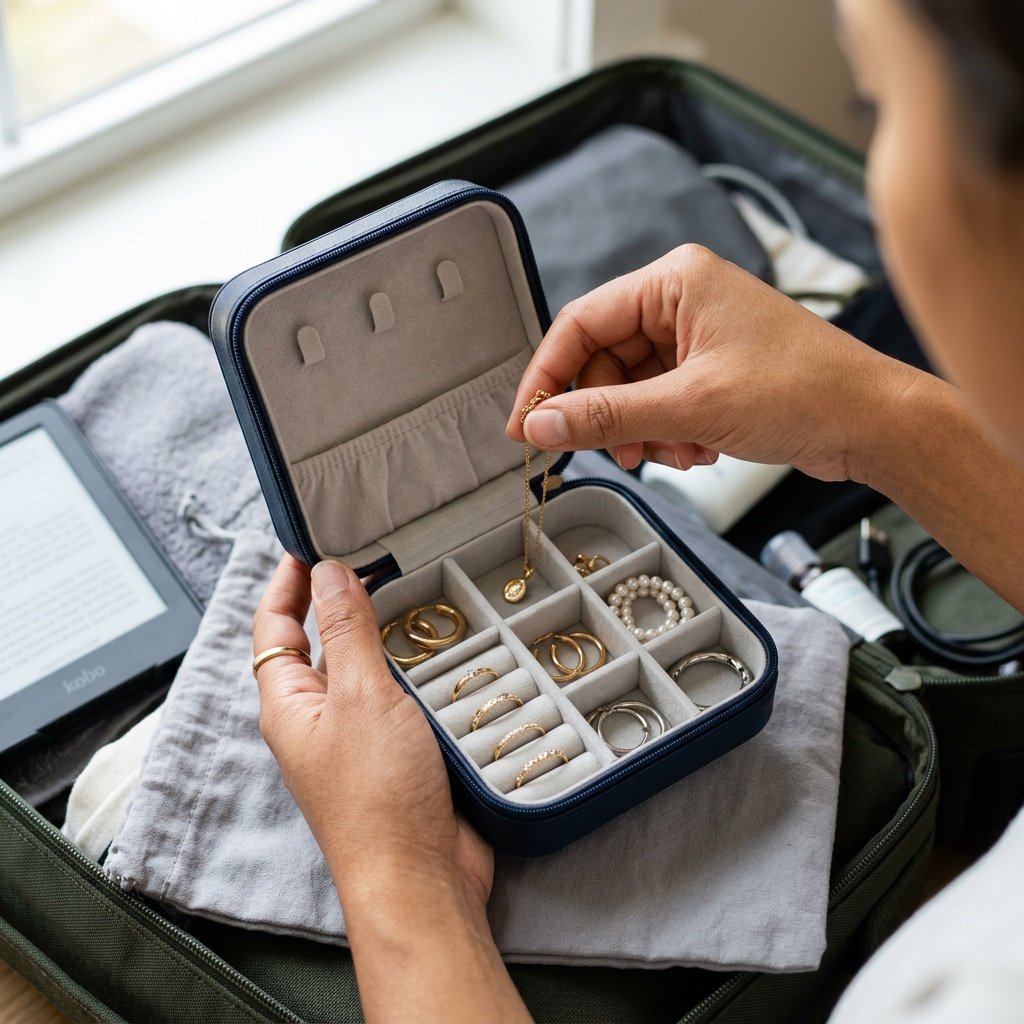
Jewelry is delicate, easily tangled, and prone to loss during travel. Knowing how to pack jewelry for flight involves organizing pieces to prevent damage and securing them so they do not fall out or get stolen.
Follow these practical steps to pack jewelry safely:
- Dedicated jewelry organizers:
- DIY solutions: For budget-friendly options, small pill boxes, zip pouches, or straws cut into sections sealed at the ends can separate chains and delicate items. These alternatives also help avoid scratching.
- Always pack jewelry in your carry-on: Never put jewelry in checked luggage. Keeping precious items with you minimizes the risk of theft or loss.
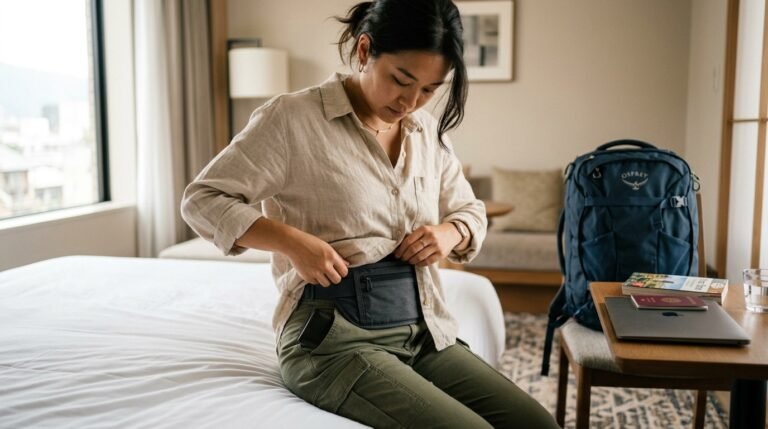
- Use hidden compartments or disguises: Consider small concealed pouches within your carry-on, or wear some of the more valuable but less bulky pieces on your person or in underclothing money belts. This adds an extra layer of security.
Separating jewelry pieces avoids tangling that can lead to breakage and makes security screening smoother since items remain organized and contained. Consider waterproof or soft-lined organizers to protect delicate metals and stones.
For transporting valuables securely and with peace of mind, investing in a lightweight, compact jewelry travel case is often worthwhile. Explore products with anti-tarnish material and lockable compartments for enhanced protection in our travel security product reviews.
Protecting Electronics and Camera Gear When Flying
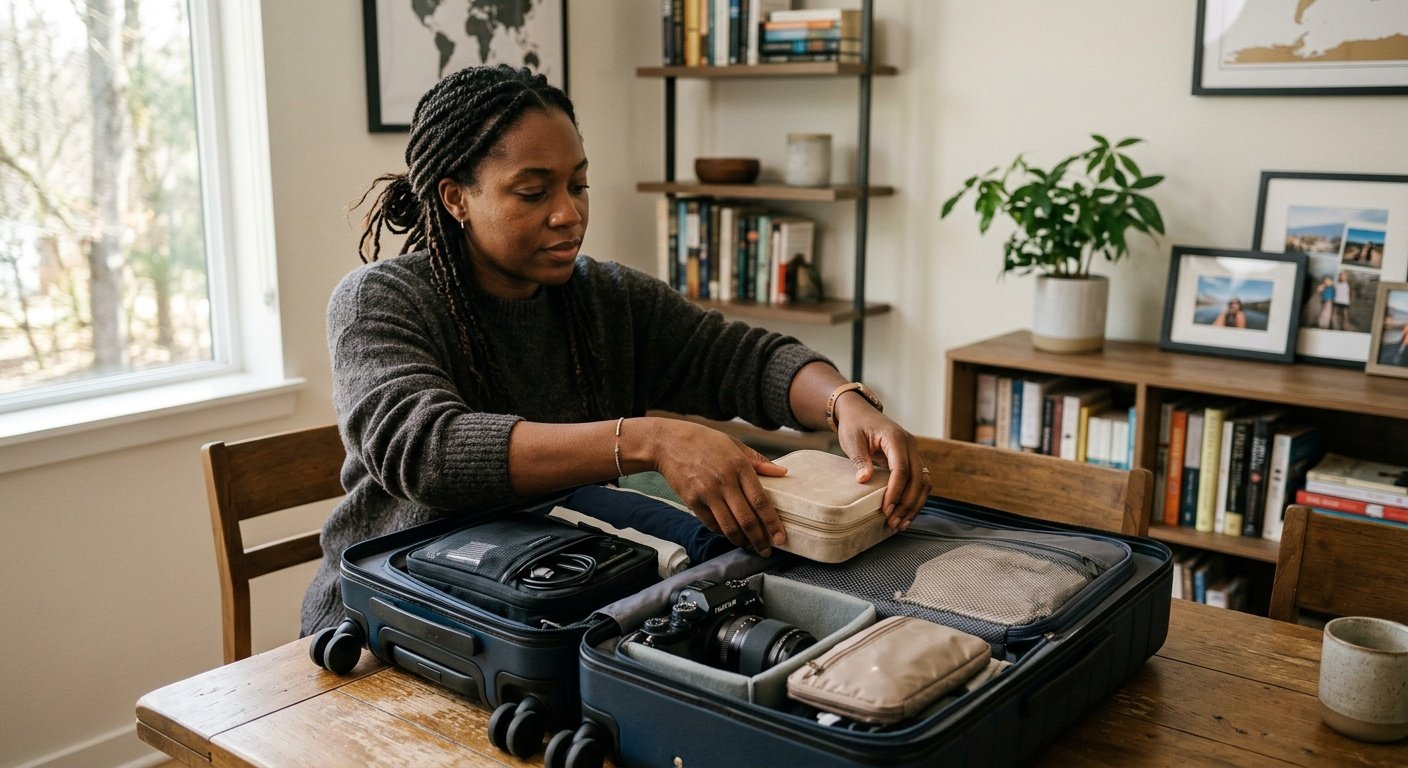
Cameras, laptops, tablets, and small electronics are high-value, fragile, and often include lithium-ion batteries subject to official restrictions. Understanding how to pack valuables for air travel safely includes following these key principles for your gadgets and camera gear:
- Use sturdy protective carriers:
- Wear clothing with deep pockets: Items like small cameras, phones, or extra batteries can be stored in jacket or vest pockets, which also do not count towards carry-on weight limits.
- Battery protection:
- Follow official guidelines: The FAA PackSafe guidelines regulate lithium-ion battery watt-hour limits for air travel. While this guide does not specify exact limits, travelers should refer to the official FAA page (faa.gov/packsafe) for specific details.
- Check TSA’s approved electronics list: Consult the TSA’s “What Can I Bring” page (tsa.gov/whatcanibring) to verify permitted camera bodies, drones, and accessories.
- Manage carry-on weight: For international flights, airlines often enforce carry-on weight limits strictly. Weigh your electronics and their protective gear at home to stay compliant.
- Storage during flight: Place fragile items under the seat in front of you, not in overhead bins, to reduce risks of dropping or theft by other passengers.
When preparing electronics for your trip, consider investing in protective battery cases and secure camera bags designed explicitly for travel safety to minimize damage risk. Further product options and recommendations are available in our travel security product reviews.
General Tips for Carrying and Securing Valuables in Airport and Flight
Beyond packing techniques, securing your valuables during the whole journey—from airport check-in through security, boarding, and in-flight—is crucial to avoid theft or accidental loss. Here are practical carry on valuables tips to follow:
- Keep valuables in sight or close reach: Never leave your carry-on unattended, even briefly. If you need to step away momentarily, ask a trusted companion to watch your belongings.
- Use TSA-approved locks:
- Consider hidden compartments and money belts: For small items like cash, passports, or jewelry, hidden compartments within bags or personal money belts and neck stashes can reduce pickpocket risks in crowded airport areas.
- Avoid overpacking: Overloaded bags are harder to manage, increasing chances of dropping valuables or drawing attention. Lightweight, organized packing is safer and more efficient.
- Store smaller valuables under the seat: Keeping items on or under the seat in front of you during the flight reduces chances of theft associated with accessing overhead bins.
- Stay vigilant at security checkpoints: Airports are high-risk zones for opportunistic theft. Keep your valuables well organized and close, watch your items during screening, and do not get distracted while repacking.
- Be mindful of airport theft tactics: Watch for common scams or distractions used to access valuables. Trust your instincts, and when in doubt, step away from confrontations or suspicious offers.
Flight attendants confirm that theft from overhead bins has increased, making under-seat storage and vigilance vital. Adopting these habits effectively reduces risks while traveling.
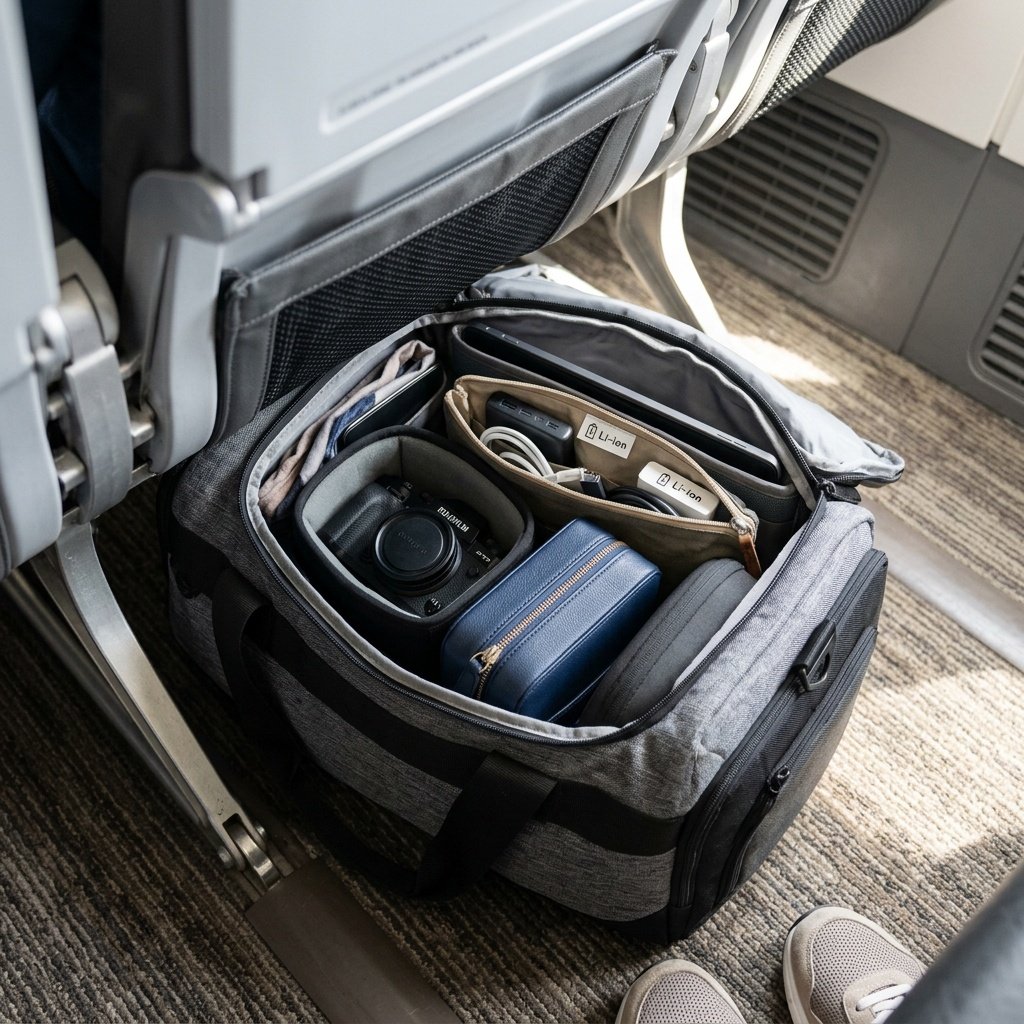
For additional security gear and travel equipment advice, visit our travel security gear guides covering anti-theft bags, locks, and organizers.
How to Prepare for and Manage Security Checkpoints When Carrying Valuables
Passing airport security with valuables can be stressful. Approaching this stage calmly and prepared will reduce the chance of valuables being lost, damaged, or stolen during screening.
To safeguard your valuables at checkpoints:
- Organize valuables ahead of time: Pack items so they are easy to remove, inspect, and repack quickly. Jewelry cases and padded organizers help keep items contained while allowing streamlined handling.
- Use TSA-approved locks:
- Keep bags close and in sight: Always watch your belongings, including your shoes, jackets, or electronic devices, when placing and removing them from screening trays.
- Be alert to mix-ups: Avoid confusion by having a clear system for your valuables and containers, preventing accidental exchanges or drops.
- Dress appropriately: Wearing a vest or jacket with deep secure pockets can help you carry smaller valuables personally and avoid placing everything in trays.
Although official TSA guidelines do not provide detailed instructions specifically for valuables management during screening, following these practical measures minimizes risk and expedites the security process.
For more insights, consult trusted sources on airport security procedures and gear to prepare comprehensively.
Common Mistakes That Put Valuables at Risk During Air Travel
Understanding what to avoid can improve valuable security significantly. Here are common pitfalls:
- Packing valuables in checked luggage: This greatly increases exposure to theft and damage.
- Overpacking bags: Stuffed bags are harder to oversee and easier for valuables to slip out unnoticed.
- Leaving bags or valuables unattended: Even brief moments out of sight invite opportunistic theft.
- Not protecting lithium batteries: Carrying unprotected batteries can lead to short circuits and safety issues.
- Storing valuables only in overhead bins: Items stored overhead are easier targets for theft during the flight.
- Lack of organization: Mixing small items without separation risks tangling, scratches, or loss during screening and transit.
By avoiding these mistakes, travelers can significantly reduce the chances of loss, theft, or damage.
Conclusion
Learning how to pack valuables for air travel effectively means prioritizing carry-on luggage only for jewelry, electronics, camera gear, and fragile or expensive items. Use dedicated organizers and protective cases to keep valuables secure and damage-free. Stay informed about lithium-ion battery regulations via official FAA and TSA sources, and follow practical habits such as avoiding overpacking, utilizing TSA-approved locks, storing small valuables under your seat, and maintaining vigilance throughout your journey.
By adopting these approaches, you can travel confidently knowing your valuables are as secure as possible from check-in through to arrival. To further support your travels, consider exploring our travel security gear guides and travel security product reviews for trusted packing and safety equipment recommendations.