

Quick safety primer — what to expect in Europe
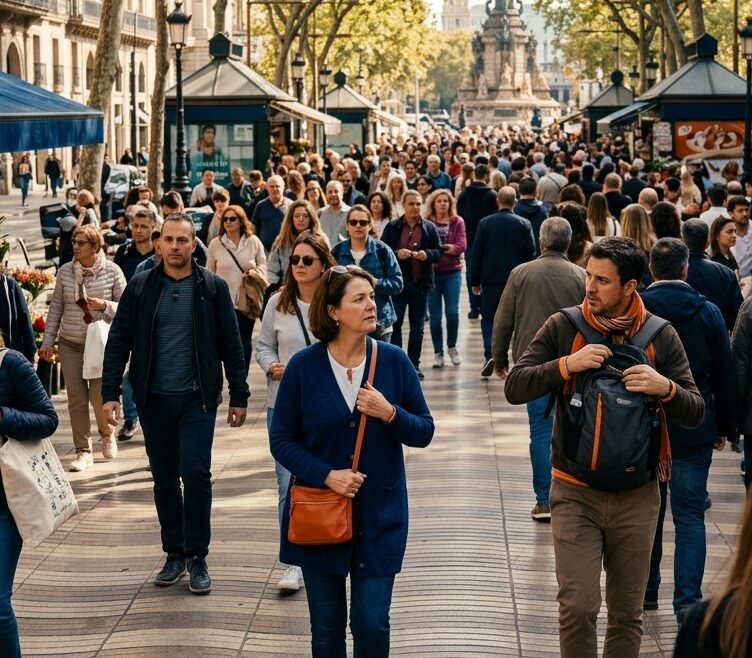
Europe travel safety tips + tourist theft prevention are essential knowledge for anyone planning to visit popular European cities. While violent crime in Europe is generally low, petty crimes like pickpocketing and bag snatching occur frequently in busy tourist hubs and at major attractions. Travelers should be aware that crowded areas often attract gangs of thieves skilled in distraction techniques. Adopting sensible, research-based precautions reduces your risk significantly and makes your trip more enjoyable and stress-free. For ongoing updates, check our embassy updates page.
Key Takeaways
- Violent crime levels are low throughout Europe, but petty theft and pickpocketing are common in crowded places and tourist hotspots (GOV.UK).
- Emergency number across Europe is 112. Keep it handy in case of incidents (Travel Aware).
- Use ATMs located inside shops or malls during daylight hours to reduce risk of theft or scams (GOV.UK).
- Quick safety primer — what to expect in Europe
- Core everyday habits to prevent theft
- Public transport & train safety
- City-specific hotspots & tactics — Barcelona, Paris, Rome
- Anti-theft gear that actually helps
- Accommodation, hotels & leaving valuables
- Money, ATMs & cards — safer withdrawal practices
- Demonstrations, protests & unpredictable events — stay safe
- If theft happens — immediate steps & insurance
- Packing checklist & final dos/don’ts
- FAQ
Core everyday habits to prevent theft
Consistently practicing certain habits makes you an unattractive target for pickpockets and thieves. Always stay alert in crowded places, especially when on public transport, lining up at famous landmarks, or moving through market streets. Keep your bags and belongings in sight—the most basic rule is to never lose visual contact. Avoid distractions such as using your phone constantly, since thieves exploit these moments to strike. Never carry valuables in a back pocket; it is an easy target for a quick grab. Split your cash and cards across multiple places instead of consolidating all money in one wallet.
| Common Scam | Prevention Strategy |
|---|---|
| Distraction Teams | Stay alert. Avoid engaging and keep your belongings secure. Be wary of sudden crowds or bumping. |
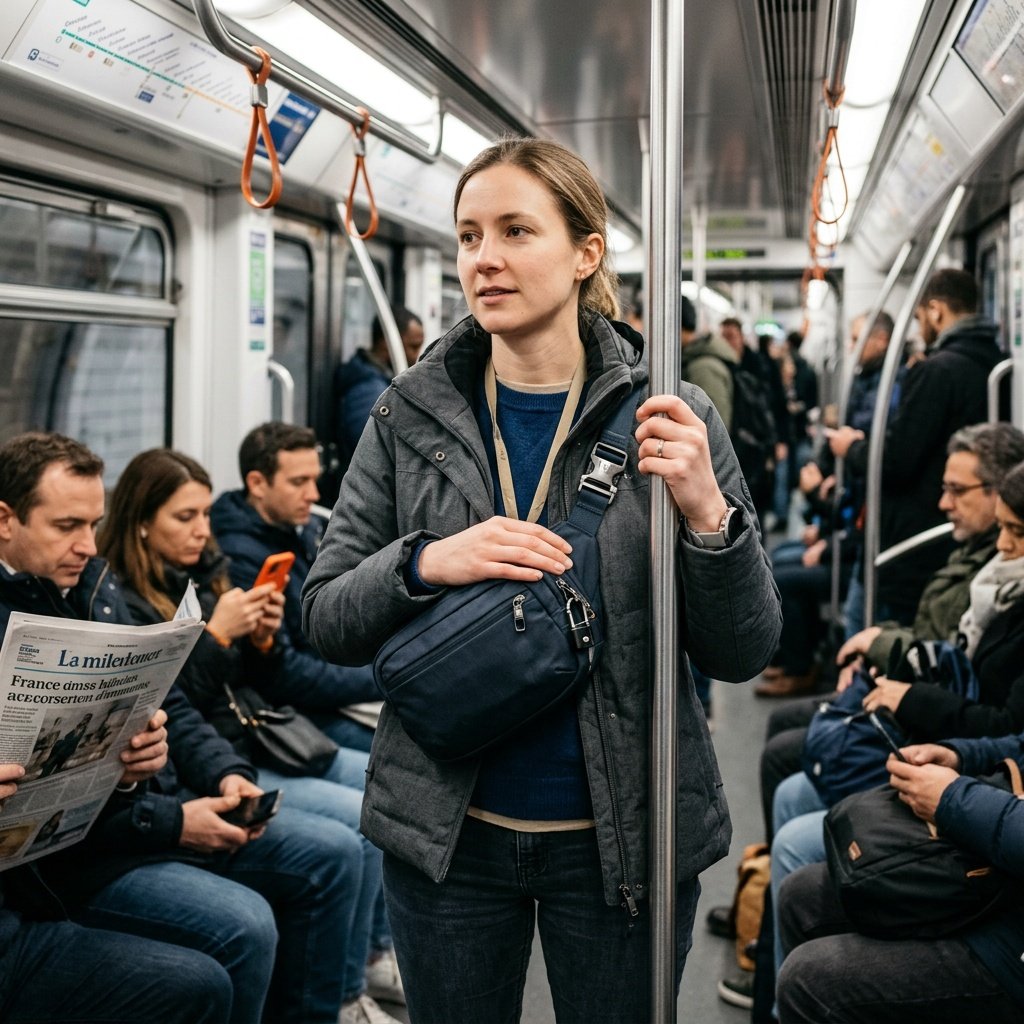
| Bag Snatching | Wear cross-body bags in front; keep bags zipped. Avoid loose shoulder bags. |
| Luggage Theft on Trains | Do not leave luggage unattended. Use locks and keep bags close or under watch. |
| ATM Skimming | Use ATMs inside shops/malls during daylight. Inspect machines for tampering. |
| Overcharging Scams | Avoid dubious venues. Confirm prices in advance. Use reputable exchange offices. |
For a comprehensive collection of daily safety reminders, visit our safety basics checklist.
Public transport & train safety (metros, buses, TGV/Thalys)
Pickpocketing and petty theft are particularly common on public transport such as metros, buses, and major train stations. Thieves are active at busy hubs like the Paris Métro and Brussels Gare du Midi, often operating in teams. On high-speed trains such as TGV or Thalys, travelers should never leave luggage unattended on the racks at the end of carriages due to reported thefts. When on board, keep bags pressed close to your body, preferably front carrying, and avoid placing purses or electronics in easily accessible pockets.
Use a compact luggage lock or TSA-approved lock on bags and suitcases to prevent tampering during travel. For recommended locks, check our public transport safety tips and affiliate links to trusted lock brands.
City-specific hotspots & tactics — Barcelona, Paris, Rome
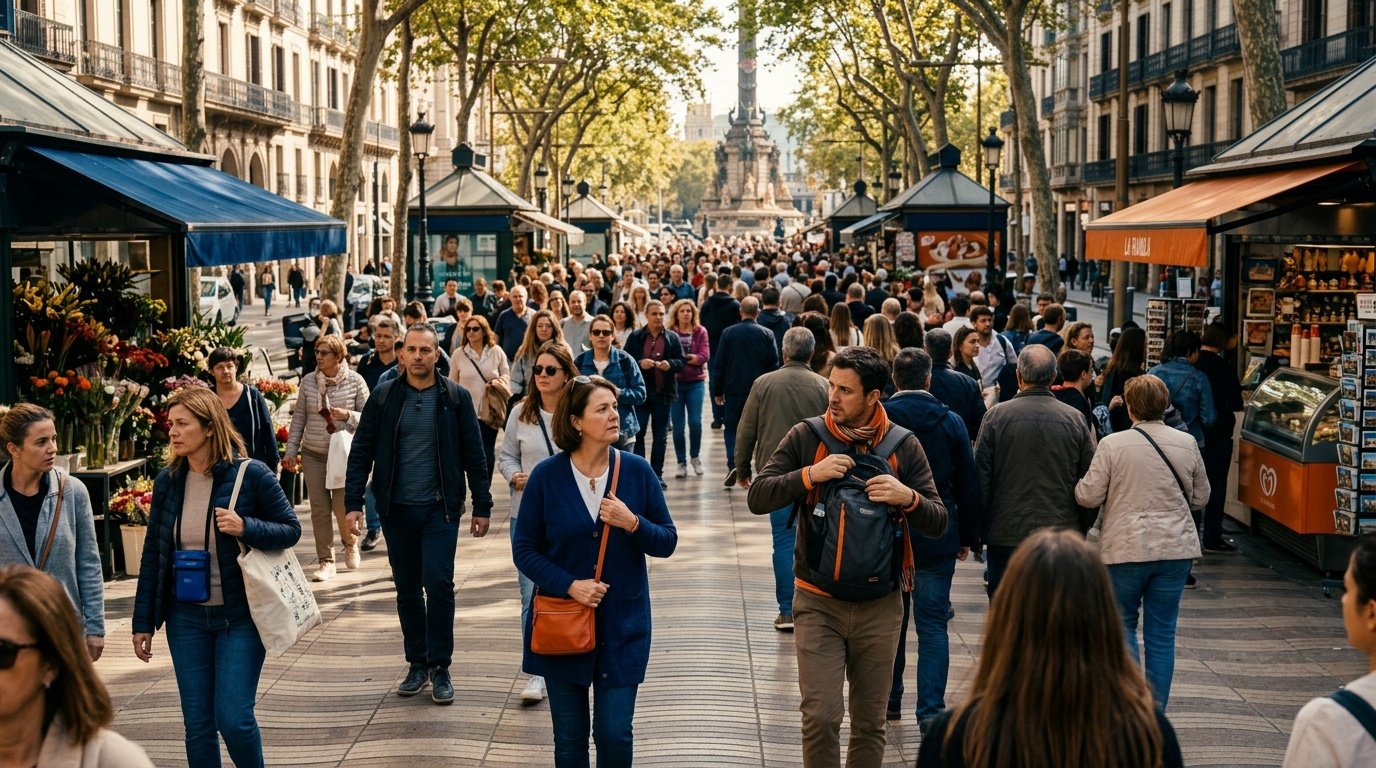
Certain cities require special vigilance due to notorious pickpocketing hotspots. In Barcelona, La Rambla is a magnet for thieves who exploit the dense crowds and distracted tourists. Paris Metro and RER trains attract pickpockets skilled in rapid snatches combined with distraction techniques. In Rome, historic centers crowded with sightseeing visitors offer ample targets. Always stay alert in these areas, avoid engaging with overly friendly strangers, and do not carry all your valuables together.
Learn detailed, city-specific tactics for Barcelona, Paris, and Rome to tailor your approach to local threats and scams.
Anti-theft gear that actually helps (what to buy & why)
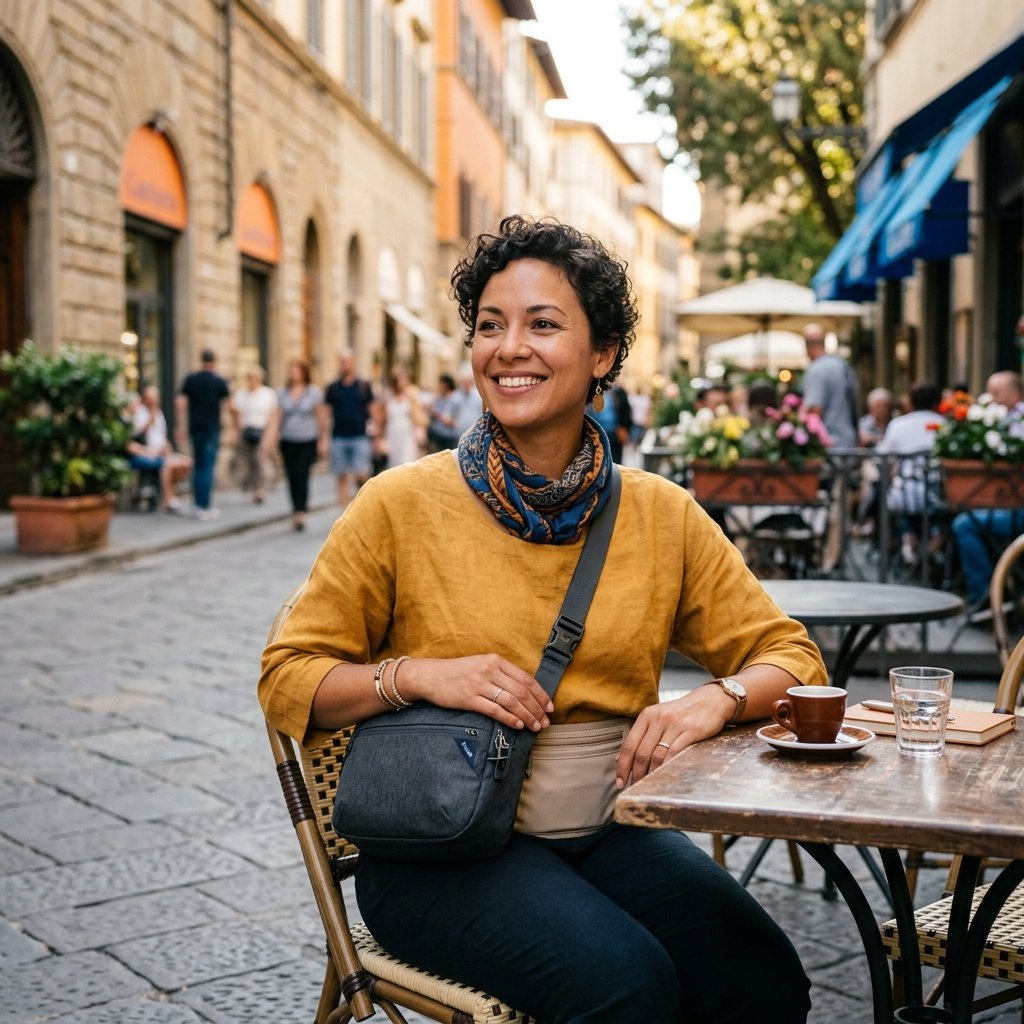
Equipping yourself with the right gear is vital for effective tourist theft prevention. Choose slash-resistant bags made of reinforced materials that prevent cutting. Lockable zipper compartments add another barrier against quick theft. Bags with hidden and RFID-blocking compartments protect against digital skimming of credit cards and passports. Discreet money belts or neck pouches keep your most important items secure under clothing. Small cable or TSA-approved locks secure luggage and bag zippers, providing peace of mind during transit.
For detailed product recommendations and reviews, visit our pages on anti-theft bags and money belts. These picks are research-based and expertly vetted to maximize your security.
Accommodation, hotels & leaving valuables
Hotel room security is often overlooked but crucial. Many hotels provide safes either in the room or at the front desk. Use them to store passports, excess cash, and valuable electronics when not in use. Lock your luggage and avoid leaving valuables visible, to minimize temptation for opportunistic theft. While theft in hotel rooms is uncommon, it is not impossible, so take basic precautions such as locking doors and windows when out. If concerned, consult the hotel staff or your tour operator for security advice.
More tips are available at our accommodation security tips page.
Money, ATMs & cards — safer withdrawal practices
Using ATMs safely avoids common scams and theft. Prefer ATMs located inside shopping centers or stores, open during daylight hours. Avoid withdrawing large sums at once. Always watch your surroundings carefully, as thieves often operate near cash points. Be vigilant for skimming devices designed to steal card data. Exchange offices, especially in tourist areas, may attempt to overcharge or confuse visitors. Use reputable financial institutions, and scrutinize receipts carefully.
For a deeper understanding, see ATM safety tips.
Demonstrations, protests & unpredictable events — stay safe
Public demonstrations or political gatherings can happen suddenly and should be avoided. While many are peaceful, they can escalate or attract opportunistic criminals. Remain aware of your surroundings and monitor local news or advisories regularly. Follow instructions from police or local authorities promptly if near a demonstration. Leaving these areas quickly and calmly is the safest course of action.
Visit our demonstrations safety page for real-time alerts and advice.
If theft happens — immediate steps & insurance
Despite precautions, theft can occur. Immediately report to local police to obtain an official report. Contact your embassy or consulate for assistance, especially if personal documents are lost or stolen. The European emergency number 112 is vital for urgent help. Cancel any stolen credit or debit cards as soon as possible to prevent further unauthorized use. Always travel with copies of documents stored separately from originals. Having comprehensive travel insurance covering theft and medical treatment provides extra security.
Guidance and checklists are available at reporting theft.
Packing checklist & final dos/don’ts (quick reference)
For safer travel, pack only essential valuables and distribute cash and documents in multiple places. Leave expensive or unnecessary items home to minimize risk. Bring cross-body or front-worn bags, money belts, and RFID-blocking wallets. Prepare a traveler safety kit including small locks and portable safes. The daily habit of vigilance—keeping belongings in sight and avoiding careless distractions—is just as important as the right gear.
For a full checklist and gear recommendations, see our packing for safety checklist, featuring affiliated travel safety kits for convenience and security.
Conclusion
Applying europe travel safety tips + tourist theft prevention effectively requires a blend of awareness, cautious habits, and suitable anti-theft gear. By staying alert in crowded tourist areas like Barcelona’s La Rambla, Paris’s Metro stations, and Rome’s historic centers, and protecting your belongings with lockable or slash-resistant bags and money belts, you greatly reduce your risk. Be mindful on public transport and in hotels by using safes and locks. Always use reputable ATMs during the day and avoid demonstration areas. If theft occurs, timely reporting and travel insurance are your best allies. This is a research-based and expert-backed approach to safeguard your trip.
For practical gear recommendations and safety checklists, visit our EmbassyHelp travel safety and gear guide and make your next trip secure and enjoyable.
FAQ
Are Barcelona, Paris, and Rome safe from pickpockets?
While these cities have low violent crime rates, they experience high levels of pickpocketing in crowded tourist areas like Barcelona’s La Rambla, Paris Metro and RER, and Rome’s historic centers. Staying alert and using protective gear helps minimize risk (GOV.UK).
Where should I keep my passport and extra cash?
It’s best to use hotel safes or money belts/neck pouches that stay hidden and secured under clothing. Avoid keeping passports and all cash in one place, and store spare funds separately to reduce loss from theft (Rick Steves).
Is it safe to use ATMs at night?
No, it is generally safer to use ATMs during daylight inside shops or malls. Avoid withdrawing large sums and be cautious of your surroundings to prevent scams and theft near ATMs (GOV.UK).
What should I do if my bag is stolen on a train?
Report immediately to local police and train authorities. Contact your embassy for document assistance and notify your bank to cancel cards. Always travel with copies of important documents separated from originals (Incident response).
Do hotels usually have safes?
Many hotels provide in-room safes or front-desk safes for travelers to store valuables. Using these safes significantly lowers the risk of theft from hotel rooms; locking your luggage is a good alternative if no safe is available (Rick Steves).
This article contains affiliate links; EmbassyHelp may earn a commission if you buy via these links. Recommendations are research-based and expert-backed.
—