

Blog Post:
Portable door lock hotel security is rapidly evolving as more travelers and Airbnb hosts face real-world safety concerns in short-term accommodations. But do these portable travel door locks actually solve the problem, or do they introduce new risks? This guide reveals what these devices can fix, what they cannot, and how you can make smarter choices for peace of mind without a false sense of security.
Key Takeaways
- Portable door locks are best for quick-install, non-destructive added security, but they can’t address systemic hotel or Airbnb vulnerabilities.
- Installation errors cause about two-thirds of failures; clear instructions and compatibility checks are crucial for real safety.
- Travelers and hosts should layer portable solutions with professional lock audits and property-level security improvements for maximum benefit.
- Quick reality check — how big is hotel door lock adoption in 2024 and why it matters
- Why people buy portable locks — real use cases for hotels and Airbnbs
- Portable products and how they work — types you’ll see in the market
- The most common user complaints and failure modes with travel door locks
- The 3 critical security gaps portable devices typically do NOT address
- How to choose the right portable lock for hotel/Airbnb stays — a buyer’s checklist
- Installation best practices and quick troubleshooting (step-by-step)
- When a portable lock is NOT enough — escalate to hotel/host action
- Quick buying recommendations — what to prioritize and what to avoid
- Action checklist for hosts and small property managers (next steps to improve safety)
- Conclusion
- FAQ
Quick reality check — how big is hotel door lock adoption in 2024 and why it matters
In 2024, more than 12 million hotel door locks are installed globally. This includes 3.2 million mobile-enabled smart locks and 4.2 million RFID locks, with rapid growth in digital security—especially in new builds in North America and Europe. While luxury hotels lead with about 4.6 million high-tech locks, budget hotels aren’t far behind at 5.4 million units. However, millions of properties worldwide still depend on outdated mechanical locks or inconsistent standards.
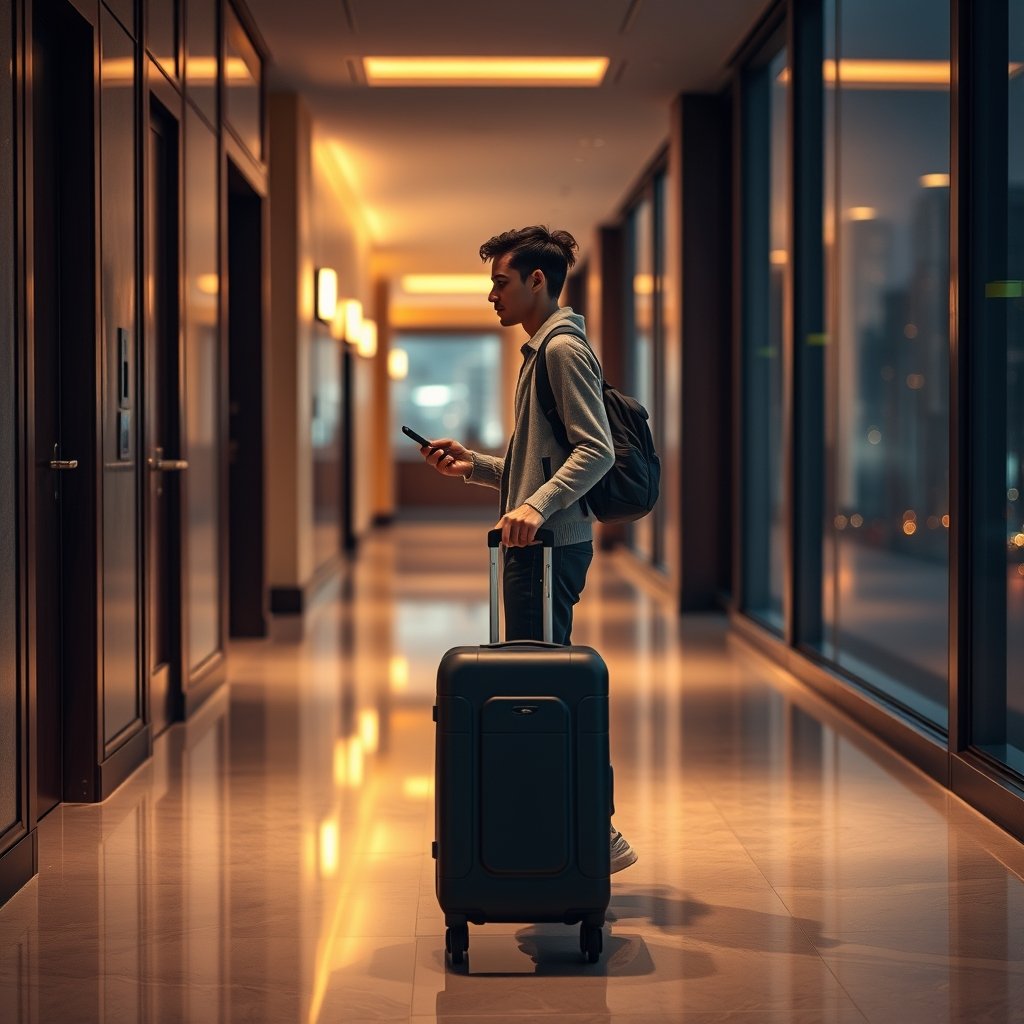
Why does this matter? Installed systems offer layers of hotel security—like RFID, proximity, and mobile capabilities—but not all doors are created equal. Inconsistent maintenance, staff overrides, and spotty upgrades leave gaps that portable door lock hotel security devices aim to fill. If you want deeper dives into current travel safety solutions, see EmbassyHelp – Travel Safety & Gear Guide for expert resource links and reviews.
Why people buy portable locks — real use cases for hotels and Airbnbs
Most travelers and Airbnb guests buy travel door lock Airbnb safety devices to close the gap between what property security “should be” and what is actually delivered. Common scenarios include late or solo check-ins, distrust in host- or staff-controlled keys, missing deadbolts, or just a need for extra peace of mind. Damage to existing locks or unclear maintenance histories often prompt portable lock use as a stopgap when a full fix is out of reach.
Review analysis and user testing show the main purchase motivations are:
- Desire to prevent unwanted room entry from staff, previous guests, or hosts.
- Poorly maintained mechanical or smart locks that don’t align or fully latch.
- Concerns about duplicate master keys and low-cost lock picks.
- Temporary solution for a short stay when a permanent upgrade isn’t possible.
It’s important to know when a portable lock is a practical fix—and when systemic safety, like fire egress or integrated alarm systems, should take priority. For more on personal safety and up-to-date travel tech, check out anti theft travel backpack usb charging—a practical companion product for frequent travelers.
Portable products and how they work — types you’ll see in the market
The travel door security device market offers several types of portable products:
- Mechanical wedges and stoppers: These slip under or against the door, blocking inward movement. They are cheap, quick to deploy, and work well on smooth surfaces but may struggle with thick carpets or wide gaps.
- Clamp-on Lock: These physically clamp to the strike or latch and block the door from opening. They’re effective but require careful sizing to different door frames.
- portable door-jam bars: Adjustable rods brace against the floor; they provide high strength but are bulky to pack and sometimes damage weaker flooring.
- Chain and latch alternatives: Some portable units mimic classic door chains but without needing screws. They’re unobtrusive but may be less robust.
- alarm-based door stoppers: These devices trigger when motion or pressure hits the door, emitting a loud sound—useful for alerting, but not true physical security.
Layered protection is becoming the norm, as RFID (4.2M), wireless Mifare (2.5M), proximity (2M), and smart locks (3.2M) now coexist with portable add-ons in the market (source). Not all hotels or Airbnbs keep up with installed upgrades, making the right portable lock a valuable tool for many situations.
The most common user complaints and failure modes with travel door locks
Most hotel extra lock portable and travel door lock Airbnb safety devices fail for the same reasons:
- Installation errors: About two-thirds of failures stem from improper setup—misfitting, over-tightening, or not following printed instructions.
- short battery life: Especially in alarmed or Bluetooth-enabled devices. Lack of a clear low-battery warning leads to silent failures.
- Jamming and misalignment: Some locks can jam doors shut, making quick exit hard in emergencies.
- Damage: Cheap clamps and bars often scar or crack frames, risking host fines or extra repair bills.
- Wireless/Electronic unreliability: Pairing or connection drops undermine devices that rely on an app.
Over 66% of reported failures are user-install errors (source). Design for usability and straightforward instructions are more important than smart features for most users.
The 3 critical security gaps portable devices typically do NOT address
Even high-rated travel door security device and portable door lock hotel security products leave key risks unsolved:
- Cybersecurity gaps: Many installed hotel and Airbnb electronic locks use unencrypted wireless signals or have outdated firmware. Only about 46% of installations encrypt guest credentials—portable locks do nothing for digital vulnerabilities (source).
- Power dependence: Portable and installed smart locks both fail when batteries are out or the power is down. About 25% of hotels face lock outages each year due to power-related issues.
- Interoperability and privacy: 32% of hotel groups with multiple brands report vendor compatibility issues; 35% have trouble with guest-credential storage regulations, which portable hardware can’t fix alone.
Layered security must go beyond portable add-ons—reviewing these systemic issues is essential for travelers and hosts alike.
How to choose the right portable lock for hotel/Airbnb stays — a buyer’s checklist
Want the safest door stopper alarm hotel or portable door lock hotel security device? Use this action-ready checklist:
- Check compatibility: Confirm fit for typical hotel and Airbnb doors, including frame shape and swing direction.
- Non-destructive mounting: Prioritize clamps or wedges that won’t scuff or dent doorframes.
- Battery specs: For powered alarms, require at least 4-6 months’ life (with regular use) and clear low-battery indicators.
- Mechanical override: In case of a dead battery, ensure there’s a physical disengage or backup system.
- Physical strength: Look for devices with tamper resistance and at least 85dB audible alerts if alarmed.
- Transparent security: Products should clearly state any encryption and firmware update policy.
Avoid “universal” devices that lack specific compatibility guides. Choose products designed for easy install—since install errors cause the large majority of failures. Explore deeper recommendations for your travel safety strategy in our related guide on EmbassyHelp – Travel Safety & Gear Guide.
Installation best practices and quick troubleshooting (step-by-step)
Installing your hotel extra lock portable or travel door lock Airbnb safety device the right way reduces risk and prevents device failure. Here’s a simple, tested process:
- Inspect the door and frame; look for gaps, warped panels, or damaged jambs.
- Test the factory latch and see if the door closes easily without resistance.
- Align the portable lock or wedge as shown in the official instructions. Never force onto frames or over-tighten clamps.
- For powered devices, install fresh batteries and press the test button to confirm the alarm or wireless features work.
- Simulate forced entry by applying moderate pressure from the outside. Then confirm you can open the door quickly from the inside.
- For hosts, log serial and contact info for each device, attach to a simple laminated safety instruction card, and leave visible for guests.
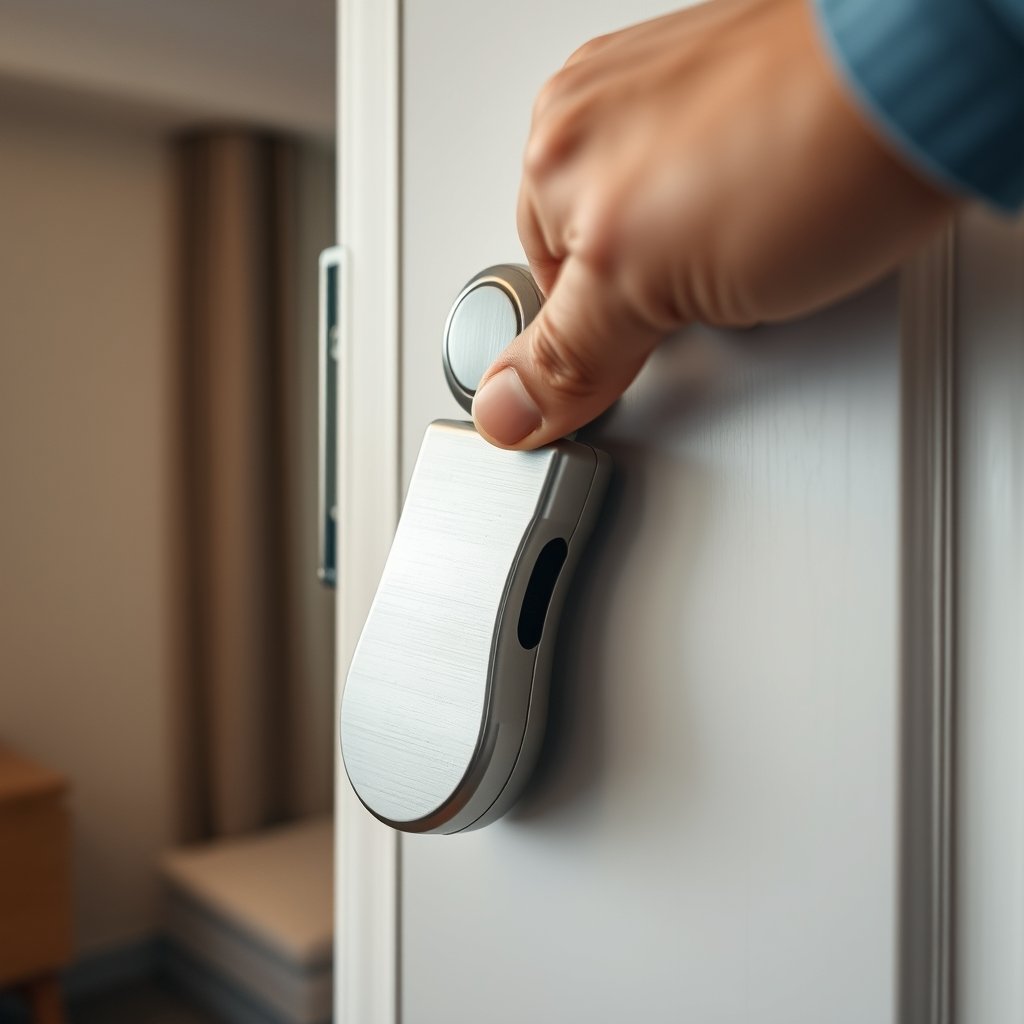
Following a consistent, stepwise install routine addresses most preventable failures—self-installed solutions fail far less often when users stick to the checklist above.
When a portable lock is NOT enough — escalate to hotel/host action
There are several cases where even the best travel door security device or portable door lock hotel security solution will not protect you:
- The property has repeated break-ins, missing fire alarms, or no dedicated emergency egress—portable locks won’t address these bigger risks.
- Sophisticated attackers target hotels with unencrypted smart locks or override tools; a physical lock won’t prevent digital exploits.
- Power outages or dead main batteries leave both installed and portable electronic locks useless—or block you inside if you can’t quickly disengage the device.
If you encounter these, escalate immediately: request a room change, demand a professional lock upgrade, or—if you are the host—invest in a security audit and consider integrated smart-lock solutions. As more than 3.2 million mobile-enabled locks are being installed a year (source), property-level action is an increasingly realistic expectation.
Quick buying recommendations — what to prioritize and what to avoid
Top features to seek in a portable door lock hotel security or travel door lock Airbnb safety device:
- Very easy install with clear pictorial instructions.
- Long battery life (6+ months for alarmed units) and a visible low-battery alert.
- Non-destructive mounting (soft, padded contact points).
- At least 85dB alarm volume for security stoppers.
- Mechanical backup: able to open quickly from inside without power.
- Transparent update and encryption policies (especially for app-enabled models).
Red flags to avoid:
- Poor or missing documentation; user confusion is the #1 source of install errors (≈66% of failures).
- No battery indicator or alarm test feature.
- Weak clamps or parts—easy to break by hand or with tools.
- App-only models without documented wireless encryption—only 46% of hotel lock installations are currently encrypted, so data risks are real.
Devices that mitigate top failure causes—like easy install, long battery life, and reliable alerts—consistently outperform models with fancier features but no usability.
Action checklist for hosts and small property managers (next steps to improve safety)
For Airbnb hosts or managers of small hotels, safety means going beyond a travel door security device. Take these prioritized steps:
- Audit your installed locks: Are they up-to-date, and do they support encryption? Set a calendar reminder to review firmware update status quarterly.
- Keep a spare mechanical lock and at least one pretested portable device on site—guests appreciate physical backup solutions.
- Create a clear, printed guest instruction sheet for both installed and portable locks. Use visuals for quick understanding.
- Consolidate vendors if possible; compatibility trouble (32% of multi-brand properties) leads to more risks and longer response times (source).
- Train cleaning and support staff on correct device use and handling to avoid accidental lockouts or door damage—invest five minutes per new shift for much better results.
Tackling non-encrypted installations (46%), reducing vendor incompatibilities (32%), and improving guest instruction all cut major sources of property-level exposure.
| Feature/Device | Mechanical Wedge | Clamp-on Lock | Door Stopper Alarm Hotel |
|---|---|---|---|
| Focus Keyword Present? | Yes (portable door lock hotel security as use case) | Yes | Yes |
| Fits Most Hotel/Airbnb Doors? | Only if low carpet/gap | Works on flat jamb | All but sliding doors |
| Non-destructive? | Yes | Risk of scratches | Yes |
| Battery Required? | No | Some models | Yes (alarm) |
| Alarm Included? | No | Rare | Yes, 85-120dB |
| Price Range | $12-$24 | $25-$50 | $20-$45 |
| Most Common Issue | Install fit/gap error | Frame scratching | Short battery life |
| Emergency Bypass Possible? | Yes | Yes, if correctly installed | Yes, remove quickly |
Conclusion
The bottom line: portable door lock hotel security solutions offer real value in defined scenarios—quick installs, rapid peace of mind, or backup when property locks disappoint. But they are not a cure-all for every risk, especially when facing systemic issues like cybersecurity gaps, power failures, or regulatory challenges. Focus on choosing the right device, install with care, and pair with property-level safety steps to protect yourself or your guests the smart way.
Ready to upgrade your safety toolkit? Review our Travel Safety & Gear Guide for more practical gear reviews, and always assess risks before every trip or reservation.
FAQ
Does using a portable door lock violate hotel or Airbnb policies?
Most portable locks are designed not to damage doors and are accepted by hotels and hosts. However, always check the property rules in advance, and never install permanent hardware without permission.
How often do portable locks really fail in real-world travel?
Approximately two-thirds of failures are due to incorrect installation, while others result from short battery life or incompatible frames. Following setup instructions carefully greatly reduces the risk.
Can portable locks prevent electronic hacking or staff master key access?
Portable locks block physical entry but cannot fix digital vulnerabilities in electronic locks, nor can they override “master” keys or building-wide overrides.
What is the best type of portable lock for travelers?
Devices that fit your specific door type, install within seconds, and show clear indicators for battery and alarm status perform best. Each traveler’s needs will differ based on destination and property age.
How can I improve safety further beyond portable locks?
Partner portable locks with regular property audits, digital lock upgrades, strong guest instruction, and vendor consolidation for maximum results. See our full travel safety guide for more details.