
how to avoid tourist scams in barcelona: The 2026 Essential Guide
Knowing how to avoid tourist scams in Barcelona is crucial for any traveler looking to protect their belongings and enjoy the city’s vibrant attractions without unexpected hassles. Barcelona in 2026 remains a top European destination, but like many popular cities, it faces a persistent challenge with pickpocketing and other tourist scams that can disrupt your trip. This guide will explain the most common scams specific to Barcelona’s tourist hotspots, show you when and where to be most vigilant, and provide clear, practical steps to safeguard your valuables and peace of mind throughout your visit.
Key Takeaways
- Pickpocketing and distraction scams are most prevalent around La Rambla, metro lines L1/L3, and major sites like Sagrada Familia and Park Güell.
- Use practical anti-theft habits including front-facing zip bags, money belts, and avoid engaging with street vendors offering unsolicited goods or services.
- Always purchase tickets from official portals and use licensed taxis or trusted ride apps to prevent overcharging and fraud.
Common Tourist Scams in Barcelona in 2026
Barcelona is known for its stunning architecture, beaches, and vibrant culture, but as a major tourist hub, it attracts criminals who specialize in exploiting visitors. Understanding which scams are active and how they operate allows you to anticipate risks rather than react to losses.
The most frequent scam involves pickpocketing at crowded and iconic locations. La Rambla, the Gothic Quarter, metro lines L1 and L3, the famous Sagrada Familia, and Park Güell are key hotspots where pickpockets work in groups. They often use distraction techniques — such as pretending to spill something on you, asking for help signing petitions, or drawing your attention with street performers — while their accomplices stealthily lift wallets, phones, or bags.
One common trick is the “bird poop” spray scam, where a thief deliberately splashes a sticky substance on your clothing. When a “good Samaritan” offers to clean it, an accomplice seizes the moment to steal your valuables. Similarly, “found ring” scams involve someone showing you a ring or bracelet “found” nearby, distracting you while their partner relieves you of your belongings.
On Barceloneta beach, bag snatching from unattended belongings is a known issue, so leaving items unattended is highly risky. Additionally, thieves on scooters and motorbikes sometimes snatch phones or bags while tourists are distracted or walking on the street.
Other less obvious but damaging scams include purchasing fake or overpriced tickets to attractions like the Sagrada Familia. Numerous unofficial vendors and touts sell fraudulent tickets or charge far above official prices. Similarly, ATMs in tourist areas may be targeted for card skimming or have hidden fees, so caution and verification are necessary before use.
Taxi scams are also reported, especially at Barcelona Airport where unmetered or unofficial cabs may overcharge tourists. Some restaurants on La Rambla operate “tourist menu” scams where they serve cheap or frozen food at inflated prices, adding hidden charges to the bill. Tourists may also receive phishing calls at their hotels requesting credit card details under false pretenses.
Familiarizing yourself with these scams is the first step to confidently enjoying Barcelona while minimizing risk.
For broader travel security context, review our travel security gear guides which complement these prevention strategies.
Top Locations and Times to Be Extra Cautious
Awareness of when and where scams peak lets you plan your days safely and reduce exposure to common tourist traps.
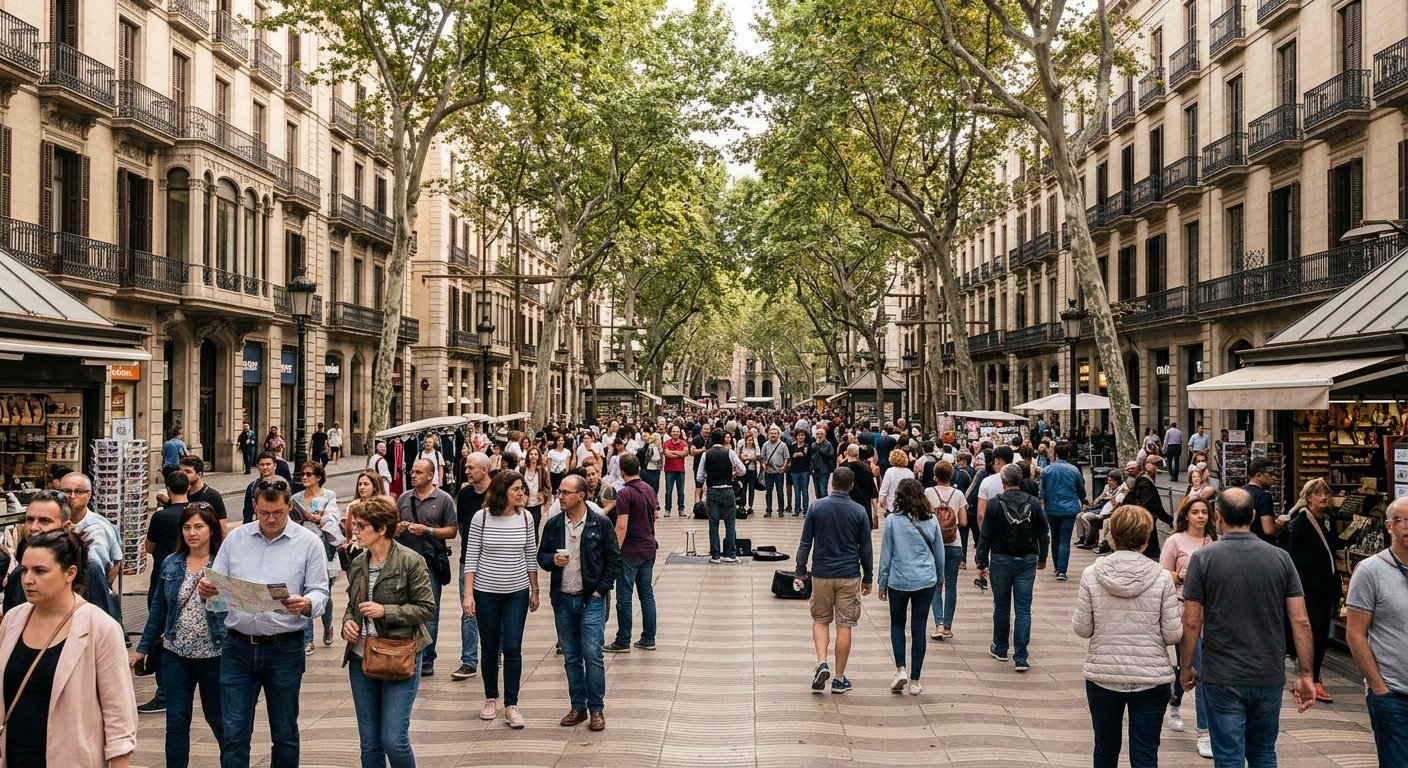
La Rambla is Europe’s most pickpocketed street and the busiest tourist artery in Barcelona. Its bustling crowds provide excellent cover for thieves and distraction teams. Be especially alert near the Boqueria Market and Plaça de Catalunya.
The city’s metro lines L1 and L3 also attract significant pickpocketing activity, particularly during peak commuting hours midday through early evening when trains are most crowded. Always keep your belongings in sight and close.
Tourist landmarks such as the Sagrada Familia, Park Güell, and the Gothic Quarter are frequent targets year-round. Barceloneta beach, popular during warmer months, sees a rise in bag snatching. Avoid leaving belongings unattended anywhere these spots are busy.
Recommended visiting times to lower your scam risk are mornings and early hours before large crowds form when pickpocket gangs tend to be less active. The midday to sunset period requires heightened vigilance as crowd density peaks. At night, especially after 9 p.m., avoid isolated alleys, poorly lit parks, and less populated streets in the Gothic Quarter or elsewhere.
Sticking to well-trafficked, well-lit routes after dark maintains las ramblas safety and general urban security. If you plan late-night excursions, consider staying in neighborhoods known for safety like Eixample or Gràcia.
Balancing sight-seeing schedules considering scam hotspots and timing can significantly reduce your vulnerability.
How to Prevent Pickpocketing and Theft
The most effective defense against Barcelona pickpocket scams is a combination of smart gear choices and vigilant habits tailored to the city’s unique environment.
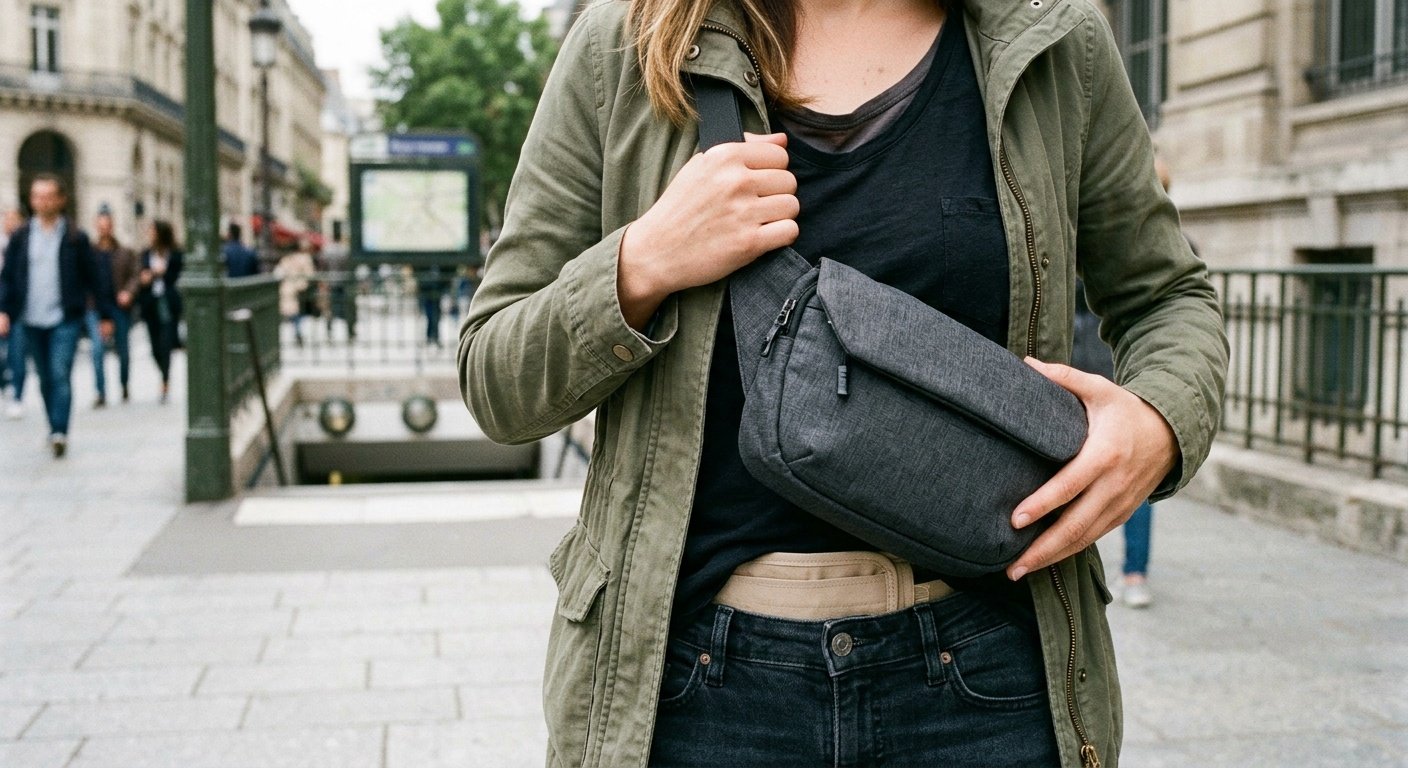
Use secure bags designed to deter thieves: Crossbody bags with front-facing zippers kept close to your body reduce the chance of unseen access. Anti-theft backpacks featuring lockable zippers and RFID-blocking panels add layered protection against both theft and electronic scanning of cards.
Wear a money belt or hidden pouch: Worn under clothing, these provide a discreet way to carry essential documents, cards, and cash you don’t need regularly during the day.
Keep wallets and phones in front pockets or hidden compartments: Avoid back pockets or outer compartments where they can be easily snatched.
During transit: On crowded metros or buses, keep bags in front, hands on them, and avoid distracted phone use.
Watch for distraction tactics: Be skeptical of strangers approaching with petitions, offers to clean your clothes after “bird poop” incidents, or unsolicited gifts like bracelets and rings. These often signal a coordinated distraction scam.
Never leave your belongings unattended: On café terraces or beaches, unattended bags are vulnerable. Keep items on your person or use locks to secure luggage.
Leave non-essential valuables in your hotel safe: Passports, extra cards, and excess cash should stay secured to limit loss if something happens on the street.
Careful bag choice and wearing practices, combined with mental alertness to common cons, reduce risk dramatically. Our travel security gear guides provide detailed recommendations on trusted anti-theft bags and accessories suited to Barcelona’s environment.
Avoiding Other Common Scams: Tickets, Taxis, and Fake Vendors
Beyond pickpocketing, tourists in Barcelona often encounter scams involving fraudulent services and overpriced goods. Knowing how to differentiate legitimate options from cons is vital.
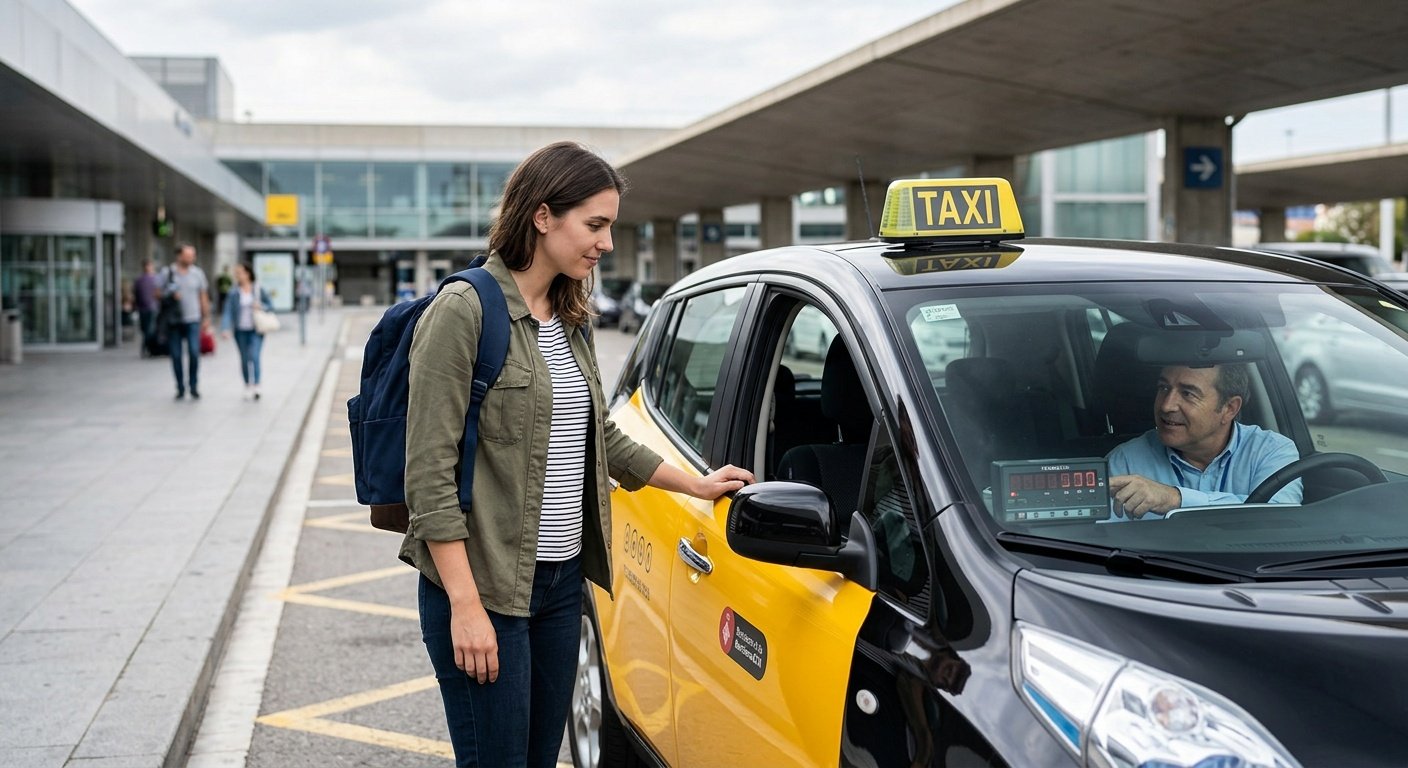
Taxi scams: Only use licensed black-and-yellow taxis equipped with meters. In addition, trusted ride-share apps such as Free Now or Cabify provide fixed fares, reliable service, and GPS tracking. Avoid unmarked vehicles or drivers who refuse to use meters, especially at the airport, where tourist-targeted overcharging is common.
Ticket scams: Purchase attraction tickets exclusively through official websites or authorized vendors. For instance, buy your Sagrada Familia tickets only via the official site to avoid fake or invalid entry passes. Beware of touts near sites offering last-minute tickets or “skip-the-line” passes at suspiciously low or inflated prices.
ATM and card safety: ATMs in tourist areas may be compromised with card skimmers. Check machines for tampering before use and shield your PIN entry. Avoid exposed or isolated ATMs to prevent shoulder surfing or theft.
Street vendors and “free” offerings: Decline unsolicited gifts such as bracelets, maps, or trinkets. Accepting these often results in aggressive demands for payment or creates distractions enabling theft.
Restaurant tourist menus: Beware of eateries especially on La Rambla serving cheap, low-quality frozen meals but charging inflated prices. Confirm menus and prices beforehand and monitor your bill for unexpected charges.
Hotel phishing: Ignore any hotel calls requesting credit card verification or sensitive details. When in doubt, confirm directly at the reception and never provide card info by phone.
These insights on barcelona tourist traps to avoid are crucial to ensure your money stays with you and you receive the service promised.
General Safety Tips for Navigating Barcelona Securely
Complementing scam and theft prevention, adopting general safety habits strengthens your overall security in Barcelona.
Stay on well-lit, busy streets after dark and avoid isolated alleys or parks where visibility is poor and assistance may be limited, especially in areas known for petty crime.
Use public transportation smartly by employing the official TMB app to purchase metro tickets, minimizing time at crowded ticket machines where pickpockets often operate. When cycling, which is growing in popularity, wear a helmet as required outside the city center and lock your bike to approved racks to prevent theft.
Adopt a low-profile approach by avoiding flashing expensive devices or jewelry and steer clear of selfie sticks that mark you as a tourist and target.
Where possible, store passports, phones, and extra cash securely in your hotel safe rather than carrying everything daily.
Such barcelona safety tips 2026 complete your preventive toolkit and help maintain a calm, enjoyable travel experience.
Detailed guidance on transport choices and official options is available in our official public transportation guide, supporting safer mobility.