

What is RFID Blocking and Do I Need It for Travel Security?
What is RFID blocking and do I need it is a common question among travelers concerned about the safety of their contactless cards and RFID-enabled travel documents. RFID blocking refers to a protective technology that prevents unauthorized wireless scanning of your cards by using specially designed materials that shield against radio frequency signals. While this kind of protection effectively stops RFID skimming—a form of electronic pickpocketing—it is important to understand how it works, the actual risks involved, and whether investing in RFID-blocking products is necessary for your particular travel habits.
This guide breaks down the technical basics of RFID blocking, outlines the real-world risks of RFID skimming, evaluates the effectiveness of RFID-blocking wallets and sleeves, helps you decide if you need such protection, and offers practical tips to safeguard your cards and documents while traveling. By the end, you will be equipped to make informed decisions about RFID protection without needless worry or expense.
Key Takeaways
- RFID blocking uses conductive materials to create a shield that stops unauthorized readers from accessing data on contactless cards and passports.
- RFID skimming is a genuine but narrowly targeted threat, mostly relevant in crowded transit environments; overall, it accounts for a small portion of card fraud.
- Certified certified RFID-blocking wallets or sleeves can be useful for frequent travelers or commuters, but they do not replace standard fraud prevention measures such as transaction monitoring and card disabling.
What Is RFID Blocking and How Does It Work?
RFID stands for Radio Frequency Identification, a technology embedded in many modern passports, credit cards, debit cards, key fobs, and transit passes. These items contain tiny RFID chips and antennas that communicate wirelessly using specific radio frequencies, typically around 13.56 MHz.
This wireless communication enables convenient tap-to-pay payments, quick identity verification, and fast transit access without physical contact. However, the same radio waves can potentially be exploited by unauthorized readers trying to skim or copy the data stored on these chips without your knowledge.
RFID blocking works by employing conductive shielding materials—such as metal meshes, carbon-fiber fabrics, or aluminum layers—that create what is known as a Faraday cage around the RFID-enabled item. A Faraday cage is a concept named after scientist Michael Faraday, referring to a conductive enclosure that blocks external electromagnetic fields.
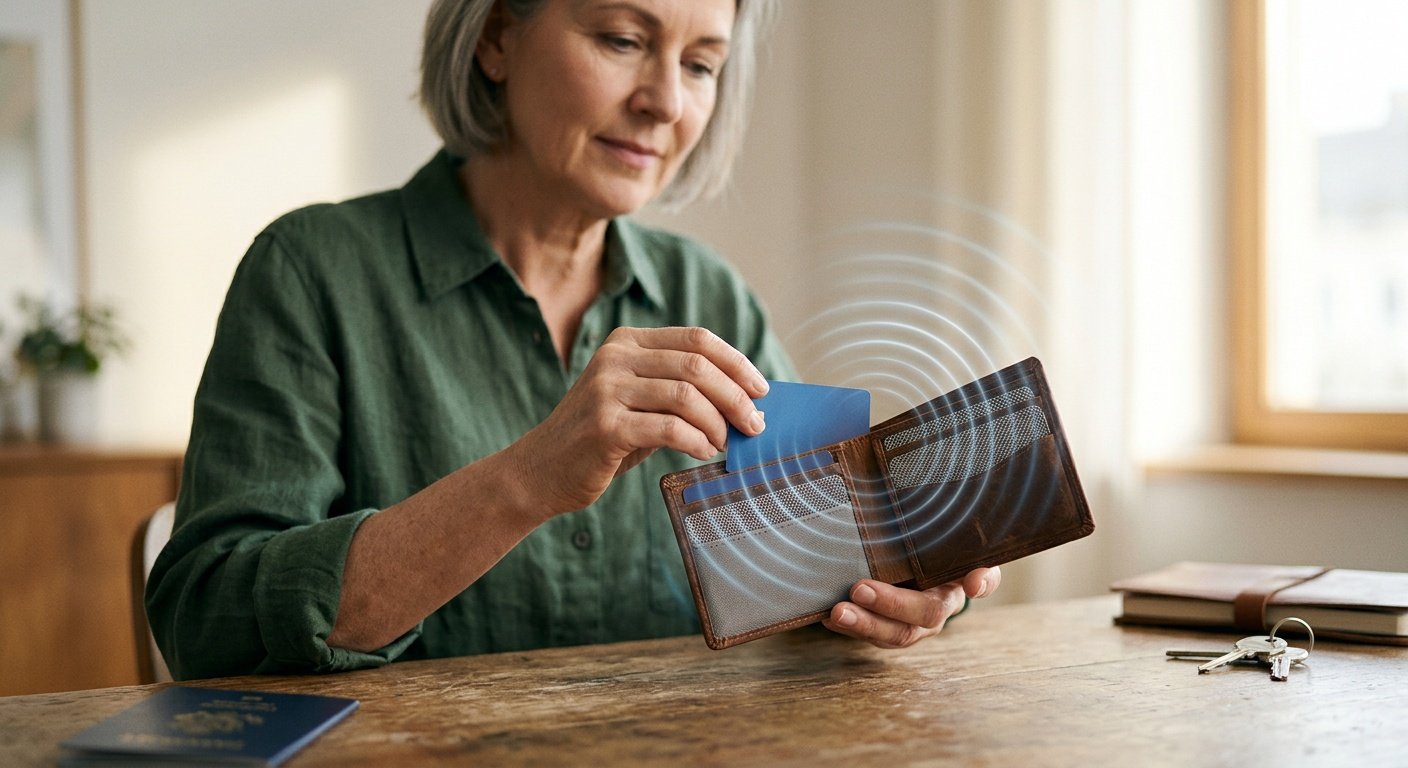
Inside an RFID-blocking wallet, sleeve, or passport cover, the Faraday cage prevents the radio waves emitted by an unauthorized RFID reader from reaching the chip. Without the radio frequency signal, the chip inside your card or passport cannot be energized or communicate its stored data. This interruption prevents the scanning, cloning, or data interception often referred to as RFID skimming.
Importantly, RFID blocking only interferes with wireless scanning when the card is fully enclosed in the shielding material. Once you remove the card from the RFID-blocked enclosure for legitimate tap-to-pay, passport control, or other lawful uses, the RFID chip functions normally without disruption.
This technical principle underpins all certified RFID-blocking products and offers a clear mechanism to prevent unauthorized proximity reads, forming the foundation for travelers considering RFID chip protection.
While there is no single official standard defining RFID blocking, most products target the common frequencies used by payment cards and travel documents—primarily 13.56 MHz and sometimes 125 kHz for older security passes.
For more on secure use of contactless cards and travel documents, explore our travel security gear guides.
What Is RFID Skimming and How Real Is the Risk?
RFID skimming, sometimes called “electronic pickpocketing,” is a method where criminals use concealed RFID readers to scan and capture data from your contactless cards or passports without your knowledge. They often operate in crowded places such as airports, train stations, bus terminals, markets, and busy commutes where physical proximity to victims is easy.
By placing a portable RFID reader near someone’s wallet or bag, a skimmer can wirelessly extract data from unprotected cards or travel documents. This stolen data potentially allows fraudsters to clone cards or conduct unauthorized online purchases.
While RFID skimming is a real threat, it is important to understand its scale relative to other types of card and identity fraud. According to industry sources and security analysts:
- RFID-related fraud accounts for only a small fraction of overall payment card fraud incidents.
- The majority of card fraud tends to result from phishing, data breaches, online scams, and card-not-present transactions rather than physical RFID skimming.
- The security protocols built into contactless payment systems provide strong layers of encryption and tokenization, reducing risks of direct scanning misuse.
This means travelers should neither ignore RFID skimming nor become overly fearful. Instead, they should recognize that the threat primarily arises in high-density or vulnerable transit locations where pickpocket-style electronic theft is plausible.
For realistic travel security advice in crowded areas and how to avoid typical theft scams, see our travel security gear guides.
Do RFID-Blocking Wallets and Sleeves Really Work?
Given the concept and risk, many travelers wonder if RFID-blocking wallets, sleeves, or cards genuinely prevent skimming and if they are worth buying.
The short answer is yes—RFID-blocking products do work when used correctly. They use conductive materials that surround your cards completely, creating the Faraday cage effect described earlier. This shield blocks the radio waves targeting the chip, thus preventing unauthorized scans.
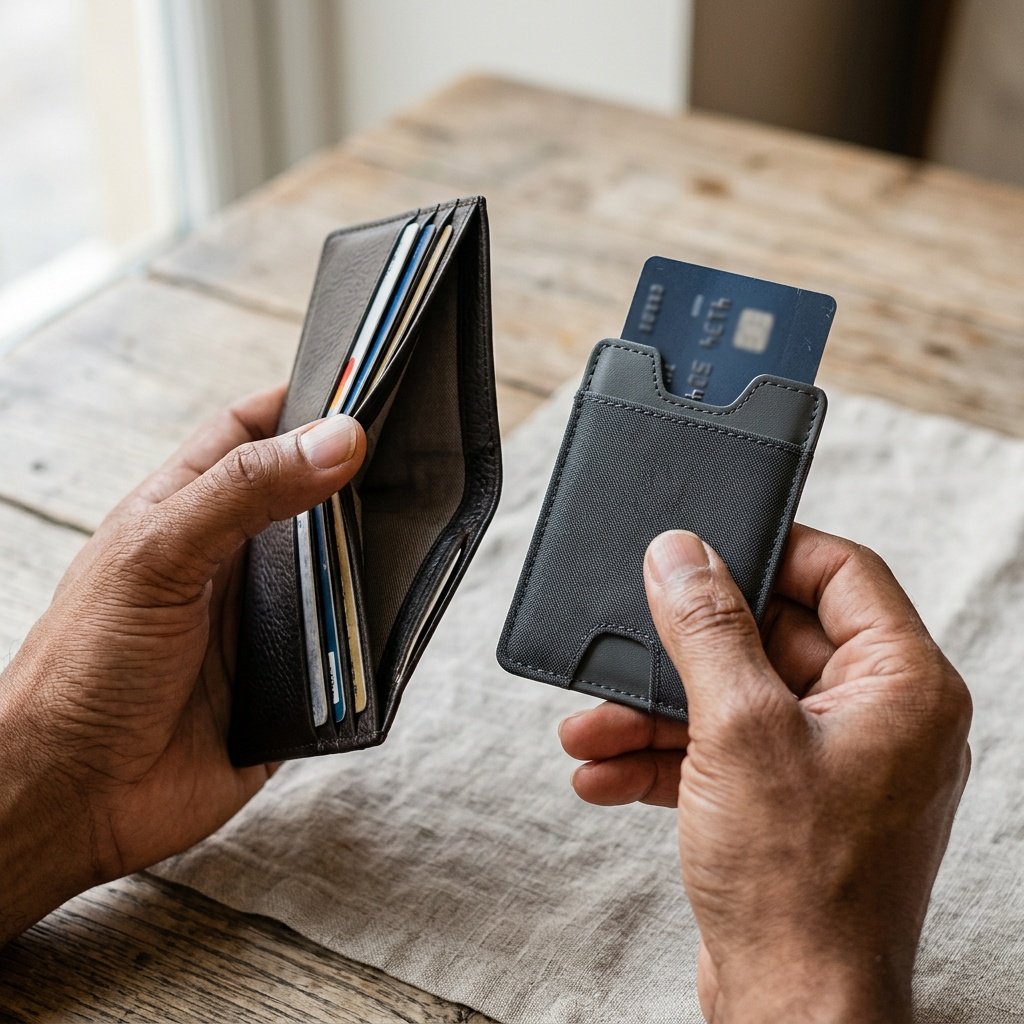
Most certified RFID-blocking wallets or sleeves cover the key frequencies used by modern payment cards (13.56 MHz) and security or keycards (125 kHz). Put simply, if your card is fully inside the protected enclosure, the shield will stop that card’s data from being wirelessly read.
However, it is important to understand their limitations:
- RFID blocking only prevents a narrow form of wireless scanning. It does not protect against phishing, online data breaches, or standard physical theft of the wallet.
- To remain effective, the wallet or sleeve must be in good condition without damage to its shielding layer; worn-out materials lose blocking ability.
- Some users find the necessity to remove cards from sleeves inconvenient, which can discourage consistent use.
- RFID blockers cannot prevent tap-to-pay fraud if a card is lost or stolen when outside the protective case.
Overall, RFID-blocking wallets and sleeves add a technical layer of defense against RFID skimming, but they are not a standalone solution for all card fraud.
For travelers exploring security product options, certified RFID-blocking wallets and sleeves can serve as a reliable tool complementing other fraud prevention measures. For more on travel gear options, check our extensive travel security gear guides.
Who Needs RFID Blocking and When?
Deciding if you need RFID protection depends on your travel profile, daily routines, and exposure to crowded environments.
Consider RFID blocking if you:
- Are a frequent traveler passing through busy airports and transit hubs regularly.
- Commute daily in tightly packed trains, buses, or urban centers where close proximity to strangers increases the risk of electronic pickpocketing.
- Carry multiple contactless payment cards, passport cards, transit passes, or RFID-enabled IDs that collectively increase your exposure.
- Wish to take a reasonable precaution for peace of mind without disrupting your payment and identity document usage.
RFID blocking may be optional or unnecessary if you:
- Seldom use contactless cards or mostly stay in low-density, stationary environments.
- Rely primarily on digital fraud protections like instant transaction monitoring, bank-issued card freezes, and two-factor authentication, which address broader fraud risks.
- Prefer not to manage extra accessories and feel the risk of RFID skimming is too low to justify the expense.
Complementary protective habits include disabling contactless payments temporarily via your bank’s app if offered, keeping cards together to cause interference, and monitoring your accounts closely while traveling.
It is worth noting that no official travel or security authority mandates RFID blocking; guidance remains precautionary. Use your discretion based on personal exposure and comfort.
For additional travel safety insights, see our travel security gear guides.
Practical Tips to Reduce RFID Fraud Risk While Traveling
Whether or not you choose to use RFID-blocking products, the following practical steps can help you minimize the risk of RFID skimming and contactless card fraud during travel:
- Use certified RFID-blocking wallets, sleeves, or passport covers. Ensure they fully enclose your cards, creating a reliable Faraday cage that blocks RFID signals.
- Keep contactless cards grouped together. Placing multiple cards in close proximity inside a wallet can create signal interference that complicates skimming attempts.
- Carry emergency metal foil. In situations where you forget RFID blockers, wrapping your card briefly in a thin layer of metal foil can block signals temporarily.
- Disable contactless payment when not needed. Many banks offer temporary toggles in their mobile apps to turn off tap-and-go functionality.
- Stay vigilant in crowded places. Be aware of your surroundings at airports, train stations, markets, or festivals where pickpocket-style skimming devices may be in use.
- Regularly monitor your card transactions and enable instant notifications. Promptly report or freeze cards if you detect suspicious activity.

Following these guidelines gives you layered defenses against RFID skimming and broader fraud risks without overreliance on a single product.
For a detailed collection of travel security tips, visit our travel security gear guides for practical equipment recommendations.
Common Myths and Misconceptions About RFID Blocking
As RFID blocking grows in popularity, several misunderstandings and myths persist. Clarifying these helps avoid misuse or unrealistic expectations.
- Myth: RFID-blocking wallets protect against all types of hacking and online theft.
Reality: RFID blockers only prevent physical wireless scanning of RFID chips. They do not stop phishing, data breaches, or digital hacks. - Myth: Using an RFID-blocking wallet damages your cards or interferes with normal tap payments.
Reality: Proper RFID-blocking materials do not damage cards. They only block signals when cards are inside the blocking sleeve and do not interfere once cards are removed for legit use. - Myth: Disabling RFID chips permanently is recommended to avoid skimming.
Reality: Permanently cutting or disabling your RFID chips renders your cards or passports invalid or unusable for essential contactless services and is generally not advised. - Myth: RFID fraud is widespread and more common than other card fraud.
Reality: RFID skimming accounts for a small fraction of card fraud; phishing, online breaches, and card-not-present fraud remain far more prevalent.
Understanding these facts helps you use RFID-blocking products appropriately and manage fraud risk with realistic expectations.
For more on avoiding common fraud mistakes, see our travel security product reviews.
Conclusion
What is RFID blocking and do I need it depends on your exposure to crowded transit environments, your travel frequency, and your comfort with layered security measures. RFID blocking uses conductive materials to create a Faraday cage shielding your contactless cards and travel documents from unauthorized wireless scanning. While RFID skimming represents a narrow but real threat, it is much less common than other types of fraud.
RFID-blocking wallets, sleeves, and passport covers effectively stop proximity-based skimming when used correctly, making them a practical precaution for frequent travelers and daily commuters in crowded settings. However, they do not replace essential protections like vigilant transaction monitoring, disabling contactless features when not needed, and prompt fraud response.
By weighing the actual risks, understanding product capabilities and limitations, and adopting sensible travel security habits, you can confidently decide whether RFID protection fits your needs and how to apply it as part of a broader fraud prevention strategy.